
Arecanut Plants
Arecanut Plants Online
As India's premier online source for these valuable trees, we offer the largest selection of carefully cultivated varieties, ensuring you find the perfect plant to suit your needs and preferences.Our commitment to quality is unwavering. We source our plants from renowned growers, ensuring they are healthy, vibrant, and ready to thrive in your garden or farm. With our expert guidance and nurturing care, you'll soon be reaping the rewards of your investment in these versatile and economically significant plants. Experience the joy of cultivating areca nut plants and enjoy the bountiful harvest they yield. Explore our collection today and embark on a rewarding journey of sustainable agriculture.
-
Sale!
 Arecanut Plants
Inter C Mangala (Dwarf) Arecanut Plant Pack of 10
Rated 4.45 out of 5₹1,760.00Original price was: ₹1,760.00.₹1,367.00Current price is: ₹1,367.00. Add to cart -
Sale!Arecanut Plants
Kasargodan Arecanut Plants Pack of 10
Rated 4.61 out of 5₹1,720.00Original price was: ₹1,720.00.₹1,580.00Current price is: ₹1,580.00. Add to cart -
Sale!Arecanut Plants
Mohitnagar-Arecanut/Betel Nut Plants Pack of 10
Rated 4.75 out of 5₹1,500.00Original price was: ₹1,500.00.₹1,349.00Current price is: ₹1,349.00. Add to cart

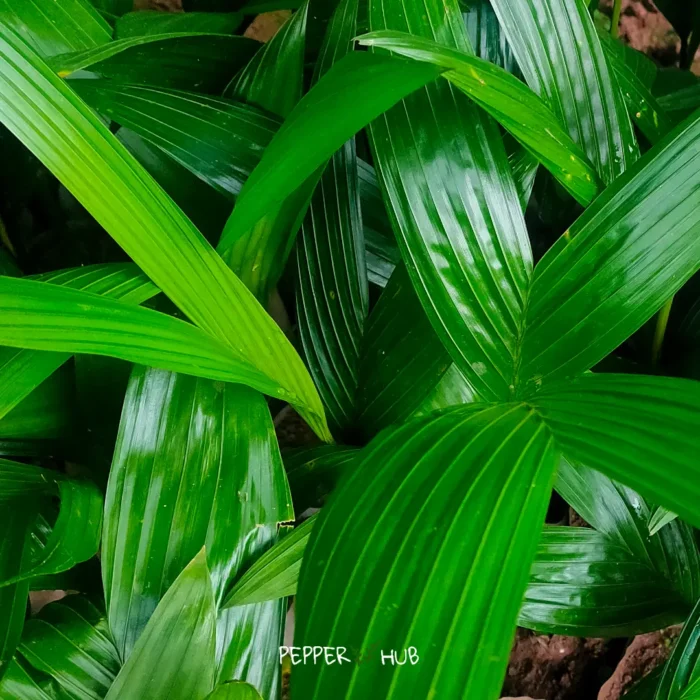
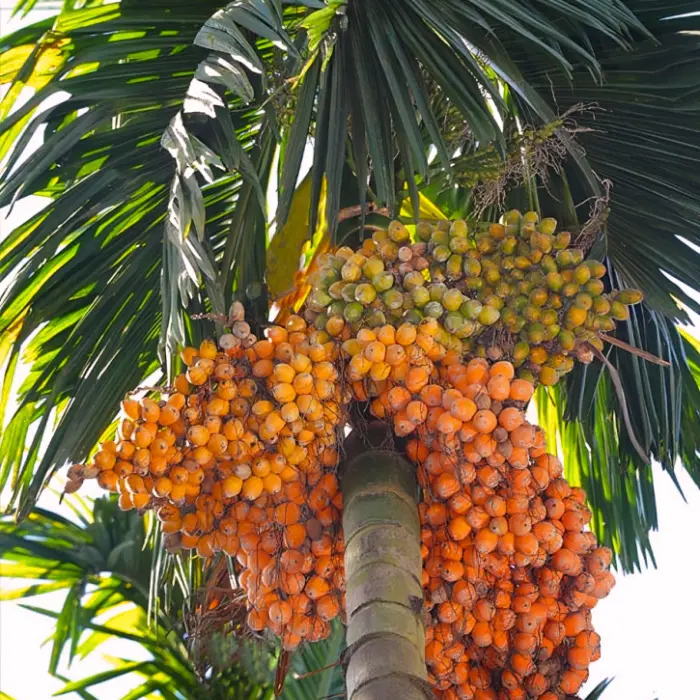
Elevate your farming journey with PepperHub!
PepperHub is your one-stop shop for premium Arecanut plants online! We offer a diverse selection of healthy, high-yielding Areca nut varieties, meticulously chosen to thrive in various Indian climates. Browse our extensive Arecanut plant selection, order securely, and receive your plants delivered directly to your doorstep.
Frequently Asked Question
Here are the frequently asked questions with us about Arecanut Cultivation
There is no botanical difference; Arecanut is the name of the seed from the Areca catechu palm, while Betel Nut is a common term used because it is often chewed along with betel leaves (Piper betle). In many regions, it is also known as the Supari tree.
Typically, an arecanut plant takes 5 to 8 years to start yielding nuts. The first few harvests may be small, but the palm reaches peak productivity after about 10–15 years and can continue producing for several decades.
- Climate: Tropical and subtropical regions with temperatures between 14°C and 36°C.
- Soil: Well-drained, deep, fertile soil (sandy loam or red loam) with a pH of 5 to 6.5.
- Water: They require consistent moisture but are sensitive to waterlogging.
- Sunlight: Young seedlings need partial shade to prevent “sun-scorch,” while mature trees thrive in bright, direct sunlight.
For optimal growth and sunlight exposure, the recommended spacing is 2.7 meters x 2.7 meters (approximately 9ft x 9ft). This allows for roughly 500 to 540 plants per acre.
Yes, you can grow them in large pots as ornamental plants. However, for nut production, they eventually require being planted in the ground to accommodate their extensive root systems and height (which can reach up to 20 meters).
The yearly subscription allows using the product included in it during one year from the date of purchase. When the year ends, the charges are taken to continue the subscription automatically.
If you’re using a Lifetime plan, the charges will be taken only once, and you’ll be able to use the product from the subscription and receive all the updates without any additional payments or charges taken.
Note: *Prices exclude VAT/Taxes
- Pests: Spindle bugs, mites, and inflorescence caterpillars are common.
- Diseases: Bud Rot and Mahali (Fruit Rot) are the most serious. These are often managed with a 1% Bordeaux mixture spray before the monsoon season.
Top Search
Arecanut plants| betel nut plants | Arecanut plant online | Arecanut plant price | betel nut plant price | areca tree price | high yielding arecanut plants | betel nut tree| Betel nut
mangala arecanut plant price | Inter C Mangala (Dwarf) Arecanut Plant | inter c mangala arecanut price | inter mangala arecanut plant yield | inter mangala arecanut seedlings | mohit nagar arecanut plant price | inter c mangala seeds | | Inter c mangala arecanut plant for sale | mangala arecanut price | kasaragod arecanut plant | Kasaragod arecanut plant price | Kasaragod arecanut plant for sale | mohitnagar arecanut plant | mohitnagar arecanut yield | Mohitnagar arecanut plant near me | Mohitnagar arecanut plant for sale