
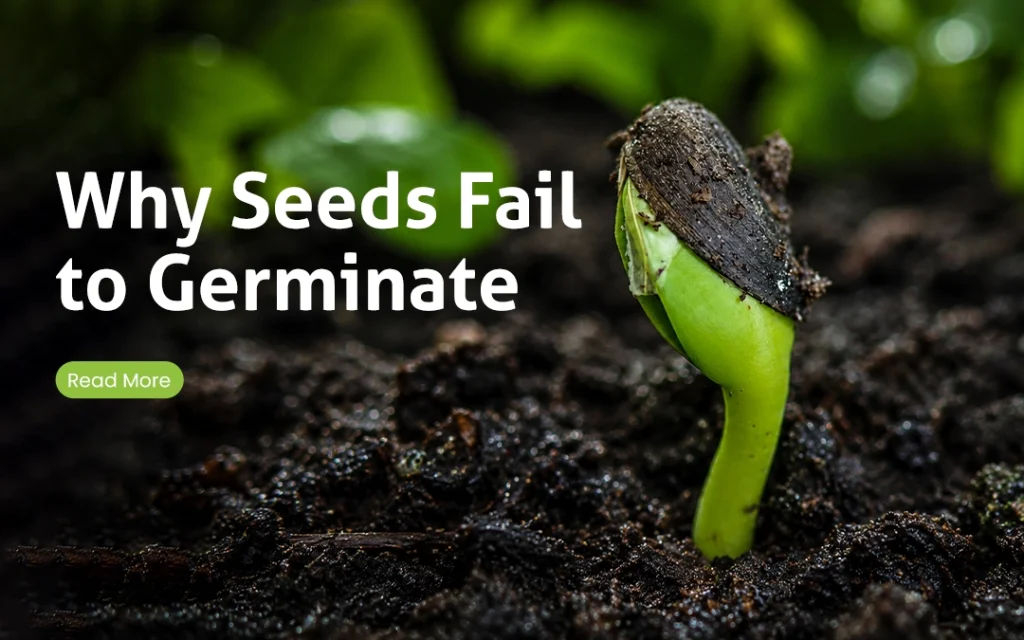
Planting seeds is the first step toward a healthy and productive garden or farm. However, many gardeners and farmers experience disappointment when seeds fail to sprout despite careful planting. Seed germination is influenced by several factors, including seed quality, soil conditions, moisture, temperature, and planting techniques. Understanding why seeds fail to germinate can help you improve your success rate and achieve healthier crops.
What is Seed Germination?
Seed germination is the process where a seed begins to grow into a seedling. Under the right conditions, the seed absorbs water, activates its stored nutrients, and starts developing roots and shoots. Every seed has specific environmental requirements that must be met for successful germination.
1. Poor Seed Quality
One of the biggest reasons for germination failure is using low-quality or old seeds.
Seeds naturally lose their viability over time. Improper storage conditions such as high humidity, excessive heat, or direct sunlight can significantly reduce germination rates. Seeds damaged during harvesting or transportation may also fail to sprout.
Solution
- Buy seeds from trusted suppliers.
- Check the packaging date before purchasing.
- Store seeds in a cool, dry place.
- Use airtight containers to prevent moisture damage.
2. Incorrect Soil Moisture
Water plays a crucial role in activating seed growth. Both underwatering and overwatering can prevent germination.
Too Little Water
Seeds cannot absorb enough moisture to begin growth.
Too Much Water
Excess water fills soil air spaces, reducing oxygen availability and causing seeds to rot before they sprout.
Solution
- Keep soil consistently moist but not waterlogged.
- Water gently using a spray or watering can.
- Ensure proper drainage in seed trays and garden beds.
3. Wrong Soil Temperature
Different seeds require different temperatures to germinate.
Cool-season vegetables like lettuce and spinach germinate well in cooler temperatures, while warm-season crops like tomatoes, peppers, and cucumbers need warmer soil.
When soil is too cold or too hot, seeds remain dormant or die.
Solution
- Check the recommended germination temperature for each crop.
- Use seedling heat mats during colder months.
- Plant according to the recommended growing season.
4. Planting Seeds Too Deep
Seeds contain limited stored energy. If planted too deep, seedlings may not have enough energy to reach the soil surface.
Tiny seeds are especially sensitive to planting depth.
Solution
A general rule is to plant seeds at a depth approximately two to three times their diameter.
Small seeds often need only a light covering of soil, while larger seeds can be planted deeper.
5. Poor Soil Quality
Heavy clay soils, compacted ground, or soils lacking organic matter can restrict germination.
Poor soil structure reduces oxygen availability and makes it difficult for young roots to grow.
Solution
- Use loose, well-drained soil.
- Mix compost or organic matter into the soil.
- Avoid compacting the planting area.
6. Lack of Oxygen
Seeds require oxygen for respiration during germination.
Waterlogged or compacted soils reduce oxygen levels, causing seeds to suffocate.
Solution
- Improve soil drainage.
- Avoid excessive watering.
- Use raised beds if drainage is poor.
7. Seed Dormancy
Some seeds naturally remain dormant even under favorable conditions.
Certain tree, flower, and medicinal plant seeds require special treatments before germination.
Common Dormancy Treatments
- Cold stratification
- Warm stratification
- Scarification (scratching the seed coat)
- Soaking seeds before planting
Always check the specific germination requirements for your seeds.
8. Pest and Disease Damage
Seeds may be eaten by insects, birds, rodents, or attacked by fungal diseases before they germinate.
Common fungal diseases include damping-off fungi, which attack newly sprouted seedlings.
Solution
- Use healthy, disease-free seeds.
- Apply biological fungicides if necessary.
- Protect seed beds with nets or row covers.
- Maintain proper sanitation around planting areas.
9. Incorrect Soil pH
Extreme soil acidity or alkalinity can reduce nutrient availability and affect early seed development.
Most vegetables grow best in soil with a pH between 6.0 and 7.0.
Solution
- Test your soil before planting.
- Apply lime to increase pH if soil is too acidic.
- Use sulfur to reduce pH if soil is too alkaline.
10. Planting at the Wrong Time
Seasonal timing greatly affects germination success.
Warm-season crops planted during cold weather often fail to sprout, while cool-season crops struggle during extreme summer heat.
Solution
Follow your local planting calendar and choose the right season for each crop.
Tips for Better Seed Germination
- Choose fresh, certified seeds.
- Use clean seed-starting trays and tools.
- Maintain consistent moisture.
- Provide adequate warmth.
- Use high-quality potting mix.
- Avoid disturbing seeds after planting.
- Label different seed varieties to monitor germination.
- Be patient—some seeds naturally take longer to sprout.
Frequently Asked Questions (FAQs)
How long does seed germination usually take?
Most vegetable seeds germinate within 5 to 21 days, depending on the crop and growing conditions.
Can seeds germinate without sunlight?
Most seeds do not require sunlight to germinate. However, once seedlings emerge, they need sufficient light for healthy growth.
Why are only some of my seeds germinating?
Uneven moisture, inconsistent temperatures, varying seed quality, or planting depth differences can result in uneven germination.
Should I soak seeds before planting?
Some seeds, such as beans, peas, and okra, benefit from soaking, but not all seeds require this treatment. Always check the crop’s recommendations.
Successful germination begins long before the seed is planted. Using high-quality seeds, maintaining proper moisture, planting at the correct depth, and providing suitable soil and temperature conditions greatly improve germination rates. By understanding the common reasons seeds fail to germinate, gardeners and farmers can avoid costly mistakes and enjoy stronger, healthier plants from the very beginning.
Whether you’re growing vegetables, herbs, flowers, or fruit crops, paying attention to these essential factors will help ensure a successful harvest.