

Coffee harvesting is a crucial phase in the journey from bean to cup, directly influencing the quality and flavor of this beloved beverage. The process begins when coffee cherries reach their peak ripeness, a stage that varies depending on the coffee variety and growing conditions. Harvesting typically occurs once a year, but in some regions, it can span several months, with farmers needing to monitor their crops closely. Harvesting coffee is a crucial phase in the coffee production process, directly influencing the quality and flavor of the final product.
There are mainly two methods in harvesting coffee plants
- Hand harvesting
- Mechanical harvesting
Hand harvesting
Also known as hand-picking, it is a traditional method. It is manually gathering crops as opposed using machinery. Ripe cherries are carefully handpicked, usually between May and October, depending on the region, farmers can choose the best cherries, reducing waste and improving overall yield. Here are some ways coffee is harvested. That is selective picking and strip picking.
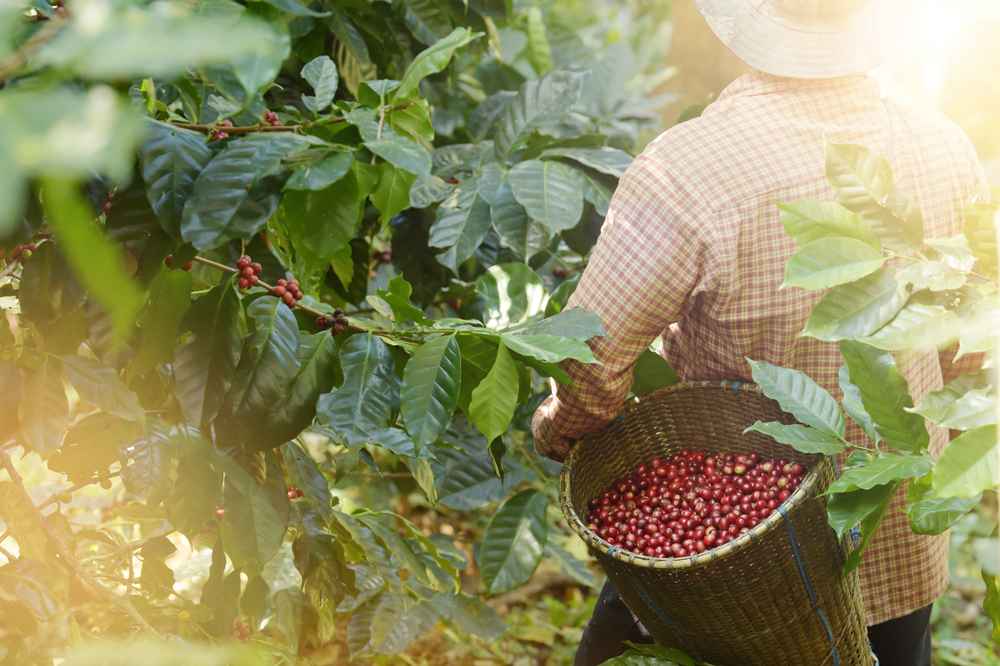
Selective picking
Selective picking in coffee plants refers to the manual harvesting method where only ripe coffee cherries are hand-picked from the plant, leaving immature cherries to continue ripening.
Strip Picking
This method is faster and less labor-intensive, making it attractive for larger farms aiming for efficiency. However, the trade-off is significant: the mix of ripe, under-ripe, and overripe cherries can lead to inconsistent quality and undesirable flavors in the final product. Strip picking is commonly used in regions where labor costs are high, and quick harvesting is essential.
Mechanical Harvesters
Mechanical harvesting involves the use of machines that shake the coffee trees. This method is highly efficient and ideal for large-scale coffee plantations. While mechanical harvesting significantly reduces labor costs and time, it often results in a lower quality of coffee.
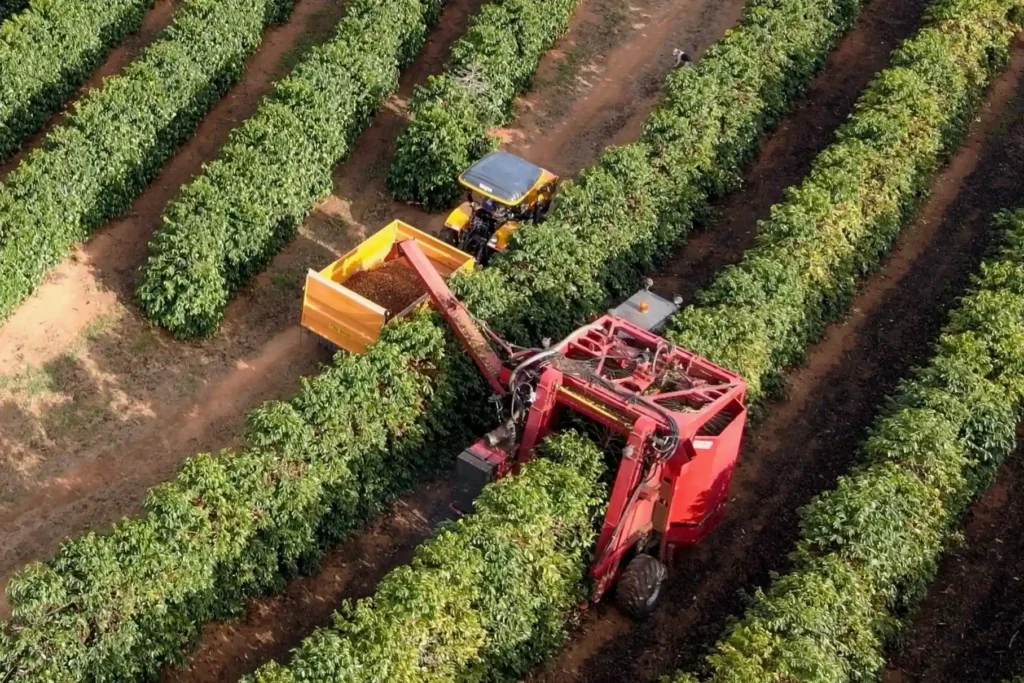
Coffee harvesting is a major contributor to economic growth, it creates many employment opportunities, mostly in rural areas Harvesting coffee offers numerous benefits, both environmentally and economically. First, it supports local economies by providing jobs for farmers and workers, boosting income in rural areas. Sustainable coffee harvesting practices can enhance biodiversity, as shade-grown coffee promotes the growth of various plant and animal species. This method also helps maintain soil health and prevents soil degradation, and contributing to ecosystem stability.
while selective picking yields higher quality coffee, strip picking and mechanical harvesting offer more efficiency for large-scale production. The choice of method depends on the coffee variety, desired quality, and the economic context of the farm.