
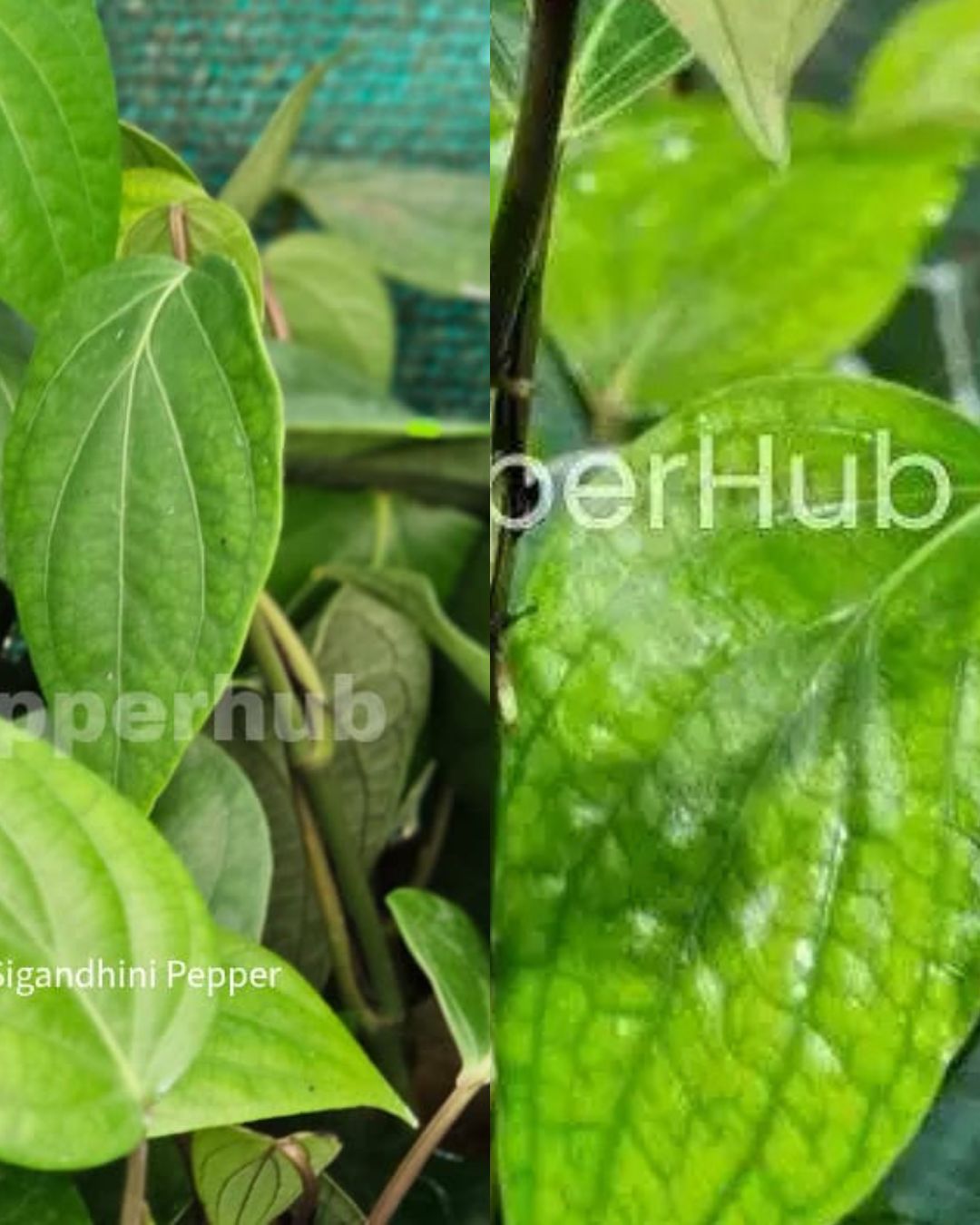
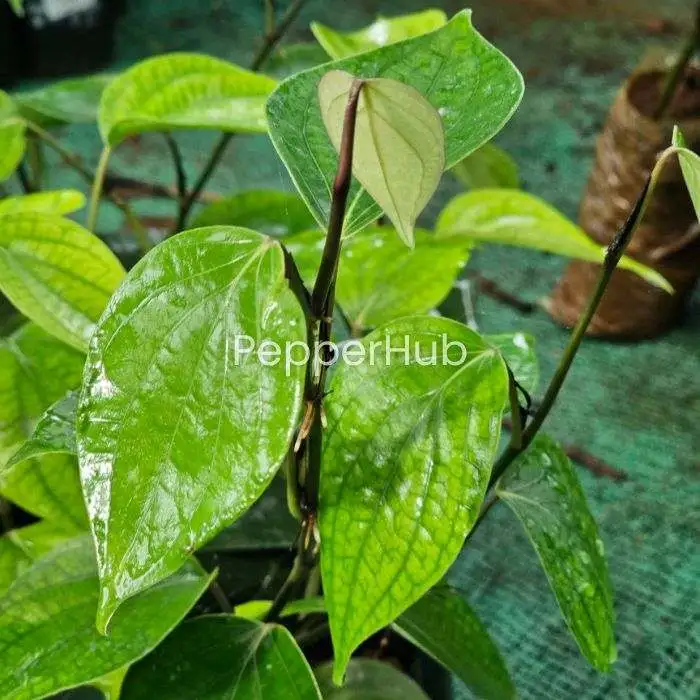
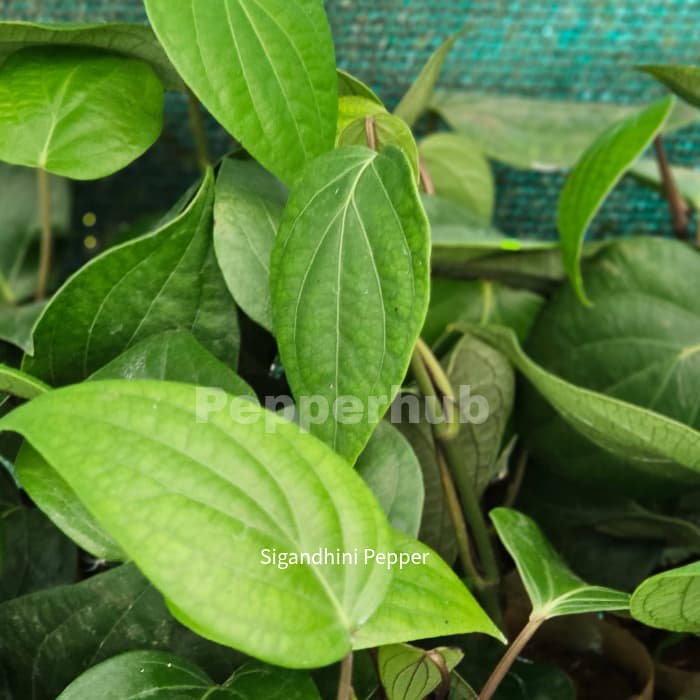
Sigandhini Black Pepper Plants
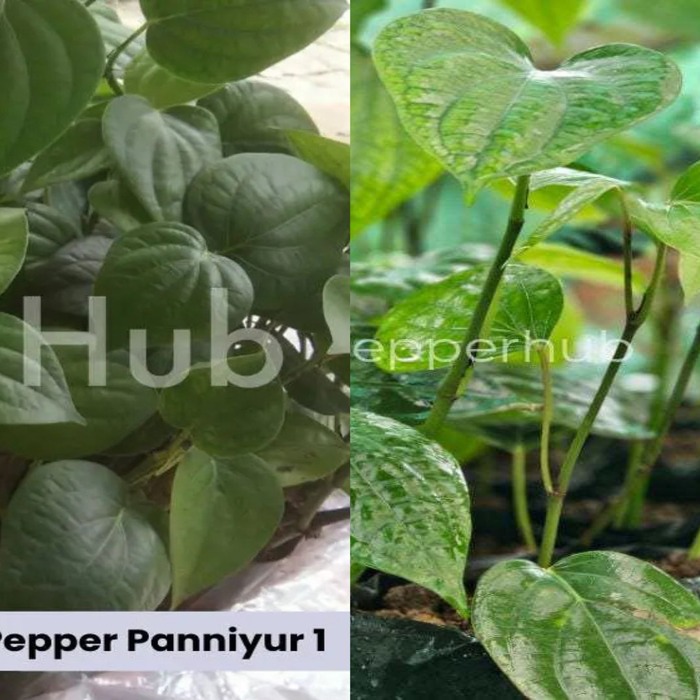
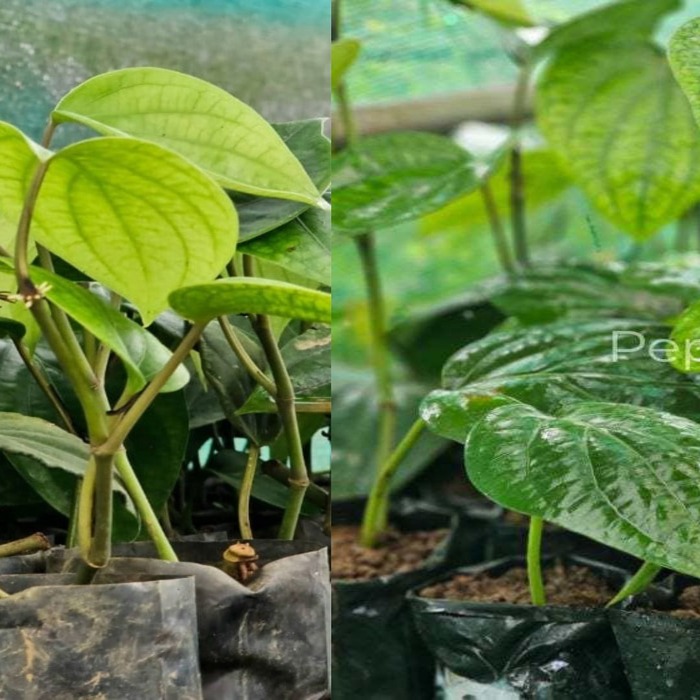
Sigandhini pepper is identified and developed by Sri. Ramakanth Ramachandra Hegde of Hunsekoppa, a small village in Uttar Kannada district of Karnataka. The black pepper variety Sigandini is known for its exceptional agronomic and quality traits, making it a preferred choice among farmers, especially in challenging growing conditions. Each spike typically bears around 80 berries with a compact setting and minimal pinhead formation, contributing to its high yield potential. Sigandini also demonstrates broad leaves of medium length that optimize canopy space usage, and its vines are vigorous with dense branching. The variety shows excellent tolerance to foot rot, slow wilt, and quick wilt, along with reported resistance to viral infections, making it ideal for virus-affected plots. Its early maturity (by December–January) offers a longer rest period post-harvest, supporting consistent annual bearing. Furthermore, it shows strong drought tolerance, with nursery plants from single-node cuttings exhibiting excellent field establishment. These characteristics collectively position Sigandini as a robust, high-performing, and farmer-friendly variety for sustainable black pepper cultivation.
Key Features of Sigandhini Black Pepper
-
High Yield: Sigandhini produces approximately 86 spikes per square meter, surpassing the yield of varieties like Panniyur-1.
-
Disease Resistance: It exhibits significantly lower susceptibility to foot rot (8.34%) and slow wilt (8.75%) compared to Panniyur-1, which records 24.16% and 26.25% respectively.
-
Quality Attributes:
-
Piperine Content: Higher at 5.04%, enhancing its pungency and medicinal value.
-
Oleoresin Content: Elevated at 7.24%, contributing to its rich aroma and flavor.
-
Bulk Density: Denser at 578.36 g/L, indicating superior quality.
-
-
Growth Characteristics: The plants are vigorous, reaching heights of 6.86 meters, with longer leaves and more runners per vine, indicating robust growth.
-
Early Maturity: Harvesting can commence nearly a month earlier, around December-January, providing an advantage in crop planning.
This black pepper variety exhibits strong resistance to slow wilt and quick wilt diseases, along with a higher overall tolerance to pests and infections, making it ideal for cultivation in virus-affected plots—an observation supported by farmers. It matures early, with harvesting possible by December–January, nearly a month ahead of the popular hybrid Panniyur-1. This early maturity offers a longer rest period for the plant, promoting regular and consistent yields. The vine features a well-spread canopy with numerous branches and is noted for its drought tolerance. Nursery plants raised from single-node cuttings show vigorous growth and excellent field establishment. Additionally, this variety is highly suitable for multi-storeyed cropping systems, especially when grown alongside arecanut.
Panniyur 8 Black Pepper Plant
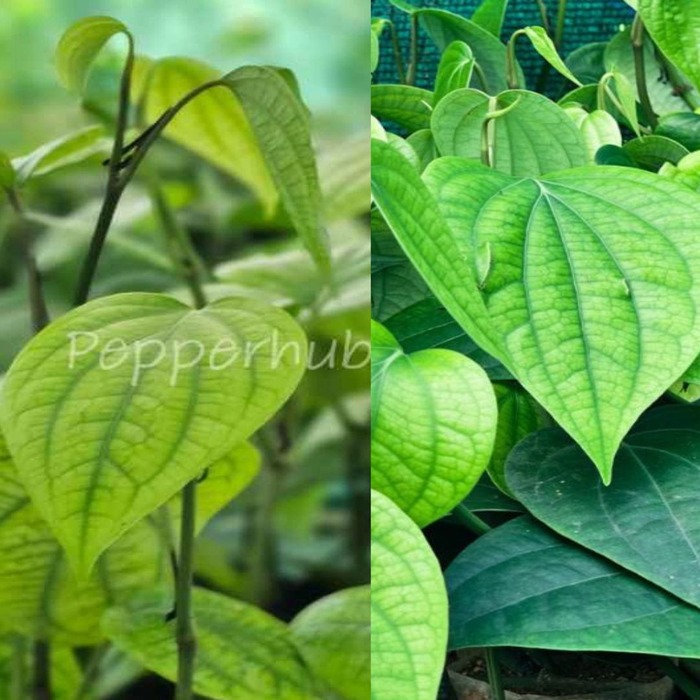
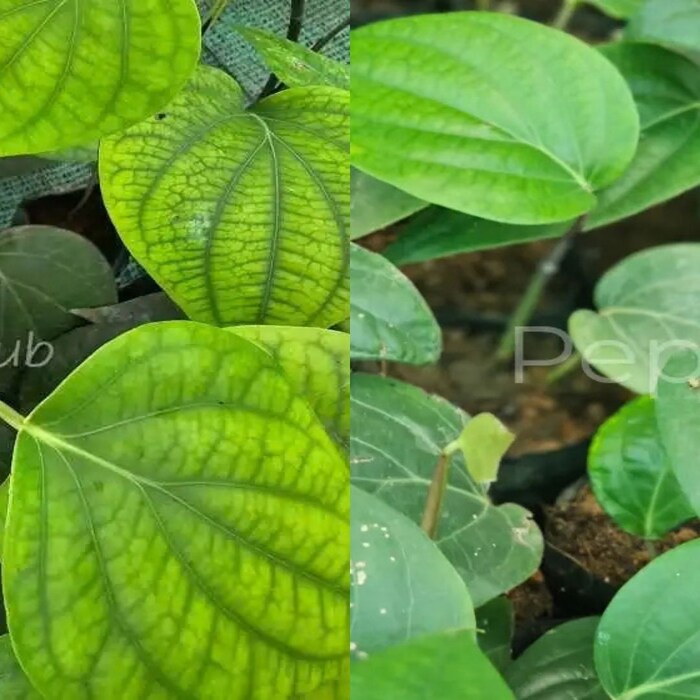
High yielding, field tolerant to phytophthora foot rot and drought. Hybrid (HB 20052) Panniyur 6 x Panniyur 5. Panniyur 8 released on 2013.its perform well in open condition, light purple coloured shoot tip and dark green coloured spikes. It gives 3000 kg dry pepper / ha. Panniyur 8 exhibits strong tolerance to Phytophthora foot rot—a major fungal disease—and performs reliably under drought conditions.
Panniyur 8 is ideal for both small-scale home gardens and commercial plantations due to its resilience and regular fruiting habits. It is developed at the Pepper Research Station, Panniyur—established 1952, came under KAU in 1972—which has a legacy of breeding multiple pepper varieties.
The Panniyur station has successively released ten varieties since the 1960s. Panniyur‑8 is among the newer hybrids, following Panniyur‑1 through 7, and offers improved disease resistance and yield.
Buy best quality Panniyur 8 pepper variety online.


Reviews
There are no reviews yet.