
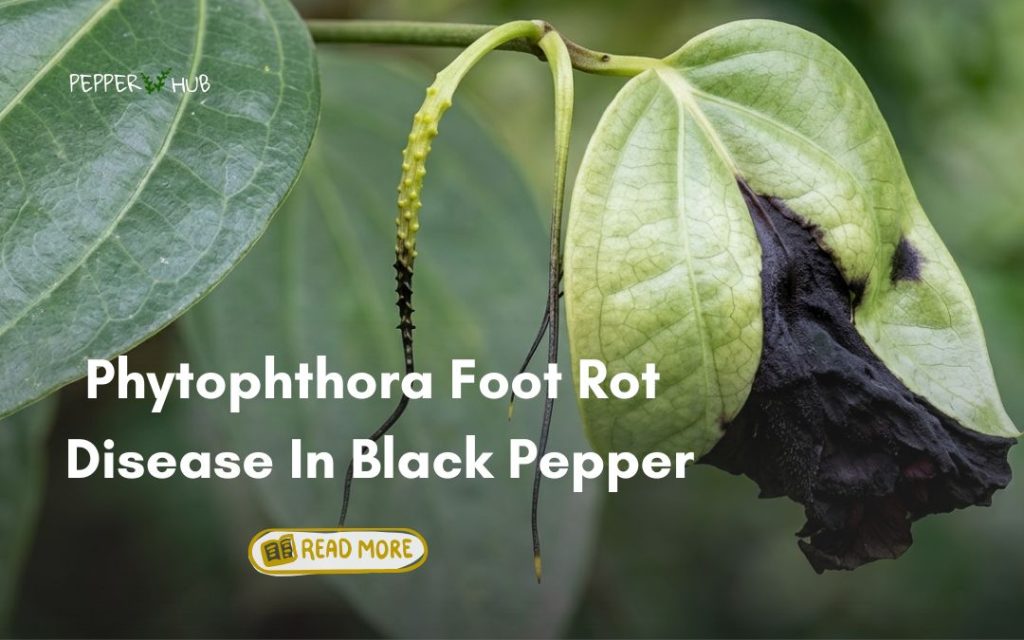
Pepper is one of the most important spice crops cultivated in tropical regions. However, pepper cultivation faces several challenges due to pests and diseases. Among these, Phytophthora Foot Rot is considered one of the most destructive diseases affecting pepper plants.
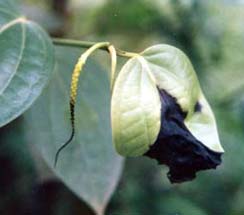
The disease often begins with yellowing of leaves, wilting, and gradual drying of vines. In advanced stages, the infection spreads to the stem base, causing rotting and eventually leading to the death of the plant. If not managed properly, Phytophthora Foot Rot can lead to significant yield losses and economic damage to farmers.Therefore, understanding the causes, symptoms, and management practices of this disease is essential for sustainable pepper cultivation.
Best Treatment for Phytophthora (Foot Rot in Pepper)
Phytophthora foot rot, mainly caused by Phytophthora foot rot, is a serious disease in pepper plants. The most effective control usually involves a combination of cultural practices, good drainage, and fungicide treatments.
1.Improve Drainage and Field Management
Ensure proper drainage in the field because the pathogen thrives in waterlogged soil.
Avoid planting pepper in low-lying areas where water accumulates.
2.Fungicide Treatment
Applying fungicides is one of the most common treatments to control Phytophthora. Metalaxyl or Metalaxyl + Mancozeb (soil drenching)Potassium phosphonate / Fosetyl-Al sprays or soil drenching Copper-based fungicides for preventive protection.
3. Use Disease-Free Planting Material
Always plant healthy, disease-free seedlings or cuttings. Infected planting material can introduce the disease into new fields.
4. Biological Control
Some beneficial microorganisms can help reduce the disease:Trichoderma spp. applied to the soil or nursery medium Organic amendments such as neem cake may also improve soil health. These treatments help suppress the pathogen and protect healthy plants from infection.
5. Regular Monitoring
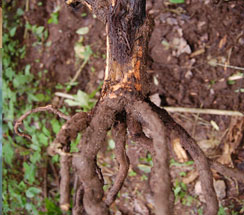
Farmers should regularly inspect pepper plants for early symptoms like yellowing leaves, wilting, and rotting at the base of the stem. Early detection allows faster treatment and reduces crop loss.
Can plants recover from Phytophthora?
Plants can sometimes recover from Phytophthora infection if the disease is detected at an early stage and proper management practices are applied. Improving soil drainage, reducing excess moisture, and applying recommended fungicides or biological controls can help limit the spread of the pathogen and support plant recovery. However, if the infection becomes severe and causes extensive root or stem rot, recovery is unlikely, and the infected plant may eventually die. Therefore, early detection and preventive measures are crucial in managing Phytophthora disease.
How long does Phytophthora survive?
Phytophthora can survive in soil and plant debris for several months to many years, depending on environmental conditions. The pathogen produces survival structures such as oospores and chlamydospores, which allow it to remain dormant in the soil even when host plants are not present. Under moist and poorly drained conditions, these spores can become active and infect new plants. Because of this long survival ability, the disease can easily reappear in the same field if proper sanitation, drainage, and crop management practices are not followed.
Conclusion
Phytophthora is a persistent and destructive pathogen that can survive in soil for long periods, making it difficult to control once established. Its ability to remain dormant and become active under favorable conditions highlights the importance of proper field management. Therefore, practices such as good drainage, use of healthy planting materials, regular monitoring, and timely disease control measures are essential to reduce the risk of infection and protect pepper crops from severe losses.