
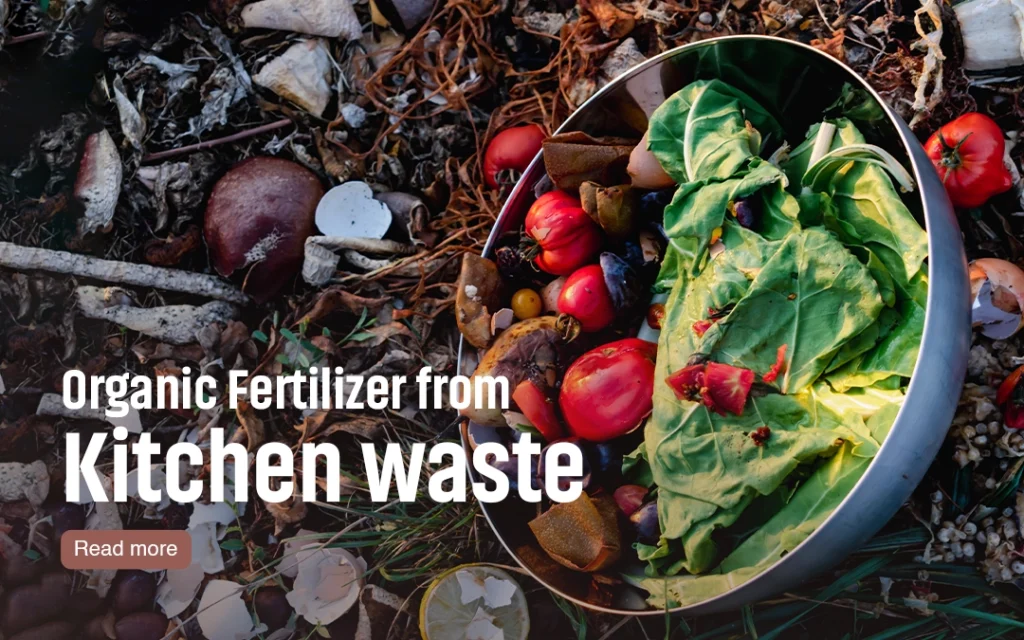
Making compost from kitchen waste is a method for converting leftover food into a soil additive known as compost.
Instead of dumping food scraps in the garbage, place them in a compost bin. This customized container provides an ideal habitat for bacteria and fungi to breakdown organic materials. The process continues until the food scraps have formed a useful blend of nutrients that nourish the soil and promote plant development.
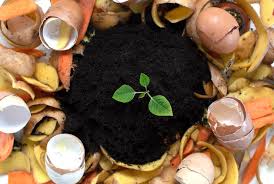
Understanding the Basics
Before we get into the details of kitchen trash composting, it’s important to grasp the fundamental concepts at play. Composting is a natural process that converts organic matter into nutrient-dense soil conditioners. Kitchen trash composting is primarily concerned with diverting food wastes from landfills and converting them into a valuable resource for your garden.
Broccoli stalks, potato peels, citrus rinds, and green leftovers are examples of vegetable peels that contain nutrients that, when applied to garden soil, can give your plants vitamin A and C. Just dig a hole, fill it with all of your vegetable peels, and then fill it with dirt. Rather than discarding them as waste, that is more advantageous.
Benefits of Kitchen Waste Composting
• You significantly reduce the amount of lost resources. In the US, 24% of landfill space is taken up by food waste, with a significant impact on the economy and the environment. Instead of throwing leftovers and scraps in the trash, composting allows you to put them to good use.
• You avoid further soil, water, and air pollution. When kitchen waste ends up in landfills, it contributes to methane production. When you make compost from kitchen waste in a controlled environment like a bin or composting pile, you reduce greenhouse gas emissions and help combat climate change.
• You produce a natural and nutrient-rich soil amendment that improves soil structure for better airflow and water retention, significantly impacting crop quality.
• Composting promotes sustainable gardening practices. It closes the loop by recycling food scraps back into the soil, reducing the reliance on synthetic fertilizers and chemical additives.
• As you stop buying expensive fertilizers, you get to cut down gardening costs.
• Composting from kitchen waste is a hands-on way to learn about the environment and the impact of our daily actions. It’s also an excellent opportunity for education, particularly for children who learn about the importance of recycling and sustainability.
How to Begin Composting Kitchen Waste
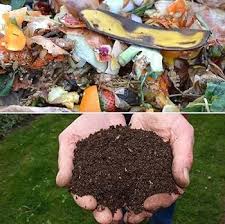
Choose the approach that works best for you before you begin. Take into account the time commitment, the required composting speed, and the available space.
When you have adequate outdoor area and time to actively manage the compost pile, traditional backyard composting works great. Worm composting or vermiculture are better options if space is at a premium.
It’s important that the compost bin or pile stays somewhat covered and shielded from inclement weather.
Materials to avoid:
• Meat, fish, bones, and other animal products
• Dairy products: milk, cheese, yogurt, and butter
• Deep-fried dishes and greasy leftovers
• Cooking oil, grease, or fat
• Plants infected with diseases or pests
• Weeds that have seeds
• Pet waste
• Non-biodegradable material
Compost piles or bins can produce unpleasant odors when improperly balanced or aerated.
How to fix it:
• Ensure you have a good mix of green and brown materials.
• Avoid adding meat, dairy, or greasy foods.
• Turn the compost regularly to improve aeration.
• If using a Bokashi system indoors, follow the recommended guidelines and avoid overloading the container with too many food scraps.
Utilizing Kitchen Waste Composting
Using compost in your gardening is in line with the ideas of regenerative agriculture and sustainability. It’s an easy yet effective method to improve the balance between your home and the environment.
Once released into the environment, the vital elements from the nutrient-rich compost enhance soil structure, water retention, and microbial activity. Producing fertilizer from kitchen scraps results in stronger, healthier, and more fruitful plants that are resistant to pests and illnesses.
Compost adds nutrients to the soil, such as potassium, phosphorus, and nitrogen, which are necessary for fruit development and plant growth. Additionally, compost aids in pH equilibrium, which promotes the best possible conditions for plant roots to absorb nutrients. Fruit and vegetable gardens, lawns, and yards can all benefit from it.