

Do you know what the trips are to increase sugarcane yield? Sugarcane is an essential product for worldwide sugar and biofuel production, and growers must maximize yields to ensure profitability and sustainability. Apply good farming practices can undertaking boost sugarcane productivity. Here are some tried-and-true sugarcane yield-boosting strategies.
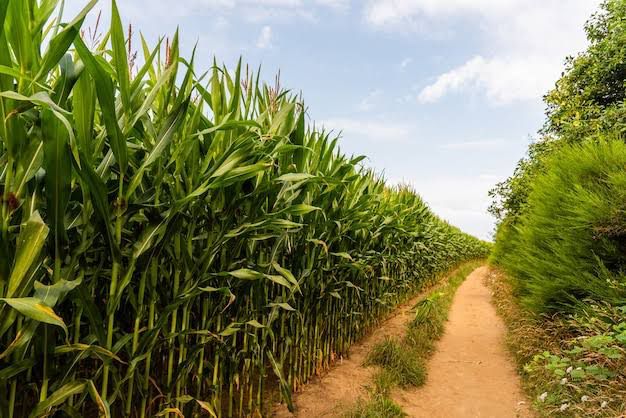
1.Choose high-yielding varieties

Choose sugarcane types that are suited to your region’s climate and soil. Look for disease-resistant and high-yielding types as indicated by agricultural specialists.
2.Soil preparation
Make soil testing to ensure nutrient levels and pH balance. Deep plowing and leveling help improve aeration and root penetration. You can test the soil to determine the nutrients it needs and replenish them with fertilizers and manures.
3. Water Management
Sugarcane is a water-demanding crop, so ensure it has proper irrigation and drainage. During the growing season, sugarcane needs 1500–2500 mm of rainfall, or about 25–50 mm per week.
4.Irrigation Management
Drip irrigation can deliver water and nutrients directly to the crop, and can save up to 55% of irrigation water. Adopt drip irrigation to provide uniform water distribution. Plan irrigation based on crop growth stages and soil moisture levels.
5.Nutrient Management
Put in balanced fertilizers according to soil test results. Include nitrogen, phosphorus, and potassium in the appropriate quantities. Use micronutrients like zinc and boron to improve crop health.
6. Weed & Pest
Control to avoid competition for nutrients and water, eradicate weeds on a regular basis. To control pests such as borers and aphids, implement integrated pest management (IPM) strategies. Apply biological or chemical pesticides sparingly.
7. Crop rotation and intercropping.
Rotate sugarcane and legumes to improve soil fertility. Practice intercropping with crops like pulses or vegetables to increase income and reduce pest incidence.
8.Timely Harvesting
Harvest at the appropriate maturity level (12-16 months after planting). Delayed harvesting can lower sucrose content, reducing sugar output.
9. Use advanced techniques.
To keep soil moist, use current measures such as rat management and waste mulching. Use precision farming and GPS-based monitoring to optimize inputs.
10. Monitor and adapt.
Regularly check crop health and growth patterns. Keep up with improvements in sugarcane cultivation practices. Seek advice from agricultural experts or extension services as needed.

As the agricultural landscape continues to evolve, staying informed about new research, technologies, and methods will be key to maintaining and enhancing sugarcane productivity. By applying these strategies and continually improving farming practices, sugarcane farmers can achieve sustainable and profitable outcomes while contributing to the long-term health of the agricultural sector and future generations.
Lots of pesticides which are effective against the pests and does not harm the plants is available in the market. I would suggest to go through pest control company for best results. Correct fertilizers and pestcides are very important.