
The image of Iceland is often dominated by volcanoes, glaciers, and the Northern Lights. But beneath the surface of this rugged landscape lies a deep, enduring tradition of Icelandic agriculture centered almost entirely on its livestock.
What are the main livestock in Iceland?
Unlike almost anywhere else in the world, the animals roaming these lava fields are ancient, genetically pure breeds, strictly protected from outside influence for over a thousand years. This creates a farming system that is globally unique, driven by self-sufficiency, sustainability, and unparalleled purity. You can almost feel the history in the wool and the flavor of the milk, a tangible connection to the Viking Age settlers who first stepped onto this land.
The Icelandic Sheep
If you ask an Icelander about farming, the conversation will invariably begin with the sheep. The Icelandic sheep is the undisputed cornerstone of the country’s livestock industry. Brought over by the Norse settlers in the 9th century, this breed is hardy, dual-coated, and essential for meat and the famously warm, light Lopapeysa wool. They aren’t just farm animals; they are the living threads that weave together Iceland’s cultural fabric.
A key practice in sheep farming here is the annual summer grazing. As the snow melts, the ewes and lambs are released to wander and feed freely across the vast, unfenced highlands and rangelands, often covering incredible distances. This natural, grass-fed diet is what gives Icelandic lamb its distinct, clean flavor.
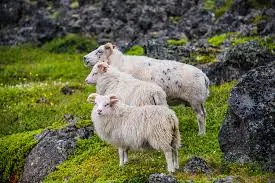
In autumn, this massive migration is reversed during the réttir. This isn’t just a chore; it’s a social and cultural event. Farmers, their families, and volunteers—often mounted on the sturdy Icelandic horses—trek for days, pushing thousands of sheep down from the mountains. The animals are then sorted into communal, circular corrals using distinctive ear marks, turning a monumental task into a vital, spirited community tradition that balances modern farming with ancient heritage. It’s a day of hard work, laughter, singing, and a deep, shared relief as the winter approaches.
Icelandic Cattle and the Secret to Skyr
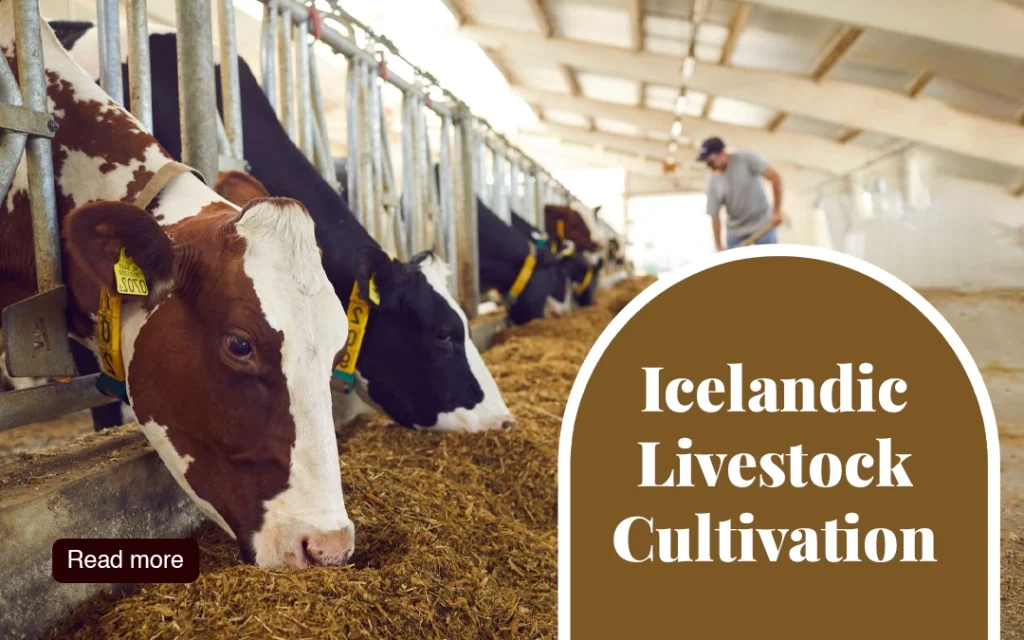
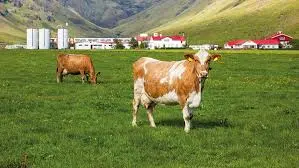
While sheep are everywhere, dairy and beef production are primarily driven by Icelandic cattle. Like their ovine counterparts, these cattle are a purebred livestock line, protected by strict import laws to prevent disease and maintain genetic consistency. They may be smaller than their continental cousins, but their resilience and genetic history are immense.
These smaller, hornless cows produce the rich milk necessary for Skyr, the thick, high-protein yogurt that has become a global health food sensation. The fact that the milk comes from an ancient, pure line of cattle is often cited as the secret ingredient.
- Dairy Farms Iceland: Located predominantly in the southern lowlands, these farms have modern facilities but rely on the ancient, pure genetics of the cows to provide milk that is a fundamental pillar of the Icelandic diet.
- Skyr Production: The unique quality of Icelandic milk is what makes authentic Skyr possible, connecting local Icelandic agriculture directly to international consumption trends.
Icelandic Horse
The Icelandic horse is perhaps the most famous of the country’s domestic animals. While they are still technically considered livestock and serve a vital function in the réttir, they are also a huge cultural and tourism draw.
These horses are known for being sure-footed, incredibly strong, and possessing a fifth gait, the tölt, or running walk—a wonderfully smooth, ground-covering pace. Their status as a purebred livestock is so critical that once an Icelandic horse leaves the island, it can never return. It’s a beautiful, and practical, symbol of isolation and purity.
Challenges and the Future of Sustainable Farming
Livestock farming in Iceland faces unique environmental hurdles
- Climate and Fodder: The short, cool summers mean farmers must dedicate nearly all available arable land (only about 1% of the country) to cultivating grass and hay for winter feed. This reliance on perennial grass is a hallmark of sustainable farming in the North Atlantic.
- Volcanic Soil and Erosion: The fragile volcanic soil is highly susceptible to wind and water erosion. Historic grazing practices, particularly in the highlands, have been implicated in land degradation, forcing farmers and conservationists to work together on strategies to protect the land.
Despite these challenges, Iceland remains impressively self-sufficient in its core food groups—meat, dairy, and eggs. The future of Icelandic agriculture involves balancing economic needs with ecological preservation, ensuring that these pure, historic bloodlines continue to thrive on the Land of Fire and Ice.