
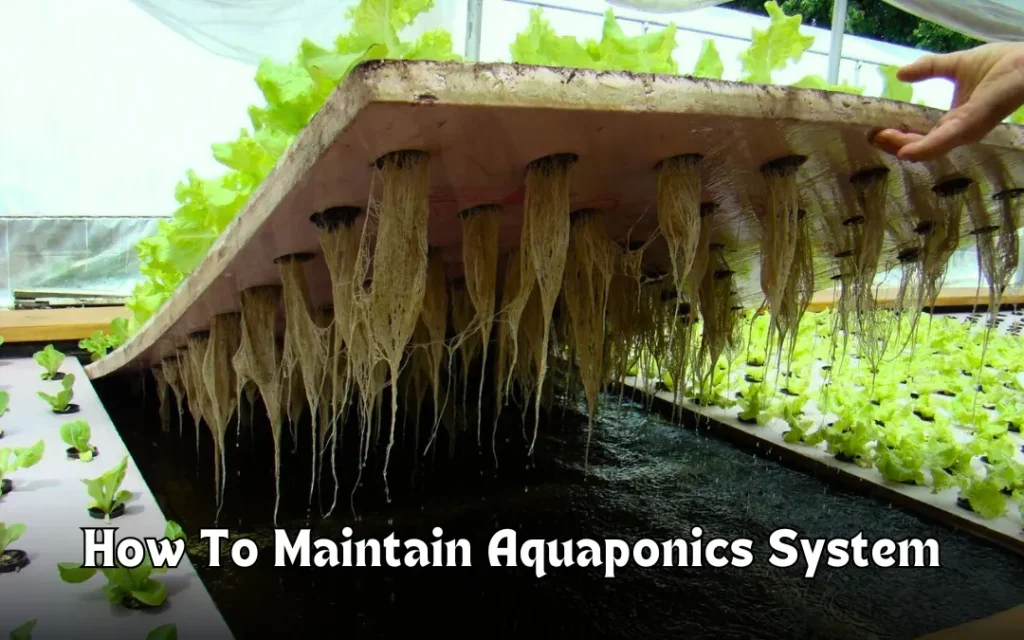
In recent years, aquaponics has emerged as a sustainable and innovative method of agriculture. Combining aquaculture and hydroponics to create a mutually beneficial ecosystem. This groundbreaking approach not only maximizes space utilization but also conserves water and reduces the need for traditional fertilizers. In this blog post, we’ll delve into some important points that can elevate your aquaponics system to new heights.
The best aquaponics system for beginners is the media bed system (Flood and Drain / Ebb and Flow). The medium bed is highly recommended for beginners. Because this system uses grow beds with grow media. This give support to the plant roots while serving as a mechanical and biological filter at the same time.
1. Have an Aquaponics Maintenance Checklist
Managing your system will make it easier for you and your employees to have a daily, weekly, and monthly aquaponics maintenance checklist. This checklist can provide a routine guide and keep you focused on the areas of your system that require more care. Keeping a daily, weekly, and monthly maintenance checklist is essential to maintaining a healthy and productive ecosystem.
List your maintenance checklist in an aquaponics journal. Your aquaponics journal can help you keep track of what’s happening in your system. Jotting down your checklist and test results or notes from time to time will help record the important notes. These notes help prevent issues from coming up or help prevent problems from recurring.
2. Maintain Your System’s Water Quality
Too many solids will result in more significant heterotrophic bacteria concentrations, consuming solids and competing with nitrifying bacteria for oxygen and spaces. Too many solids will cause denitrification, which will reduce the nitrogen levels for the plants.
Ensure the water quality of your aquaponic system by draining out about ⅓ of the water regularly, keeping the filters washed, and minimising the overall amount of solids buildup. You can do this by placing a submersible pump at the bottom of the tank to drain the water. Then refill your fish tank with dechlorinated water. Draining and refilling your system with fresh water will keep the bacteria and fish happy while removing some solids from the bottom of the tank. You can apply the drained water to your non-aquaponics plants or fruit trees. The five key water quality parameters to monitor and maintain are dissolved oxygen: (5 mg/litre), temperature (18-30 °C), pH (6-7), total nitrogen, and water alkalinity.
3. Maximise Aeration
Warm water has a lesser ability to hold oxygen. So when the temperature increases during the hot season, ensure that you have clean air stones to maintain a healthy environment for your fish and plants. Air stones are a quick and easy way to dissolve more oxygen into your system. Just attach the stones barbed end to one end of the silicon tubing and connect to the air pump to move air through the stones.

To clean the air stones, put them in a bucket of water with a tablespoon of hydrogen peroxide and scrub with a brush. During your regular maintenance routine, ensure that the aerator is functioning correctly.
4. Manage Temperature Fluctuations and Humidity
Temperature management is a tricky one. But it is essential to ensure that your aquaponics system has proper air ventilation. If your setup is indoor, make sure that the air is circulating inside the building and something correctly manages the heat and humidity.
High temperature and humidity can cause plants to bolt or die or succumb to pests and diseases. Give plants space, add fans, keep the vines vertical and trimmed properly of suckers and dead leaves, and plant crops that are suitable to your climate to ensure greater productivity.
When it is the cold season, or you live in a colder climate, plant crops that grow well in colder temperatures, such as lettuce, kales, and chards. Leafy green varieties grow well in hot temperatures, so grow them during summer.
5. Maintain pH Levels
The pH level determines your plant’s ability to intake nutrients, the bacteria’s reproduction ability, and the health of the fish. So maintain your aquaponics system level into a good range for the plants, fish, and bacteria. The ideal pH level for aquaponics systems is between 6.8 to 7.0.
6. Clean Pumps and Plumbing System
All the plumbing and pumps in your system can clog with fish solids, bio slime, and bacteria over time. These can put pressure on your pump and will make the water flow ineffective. So regularly check your pump and plumbing components to ensure they are in good working condition all the time. You can remove the solid components from your plumbing and pump with a blast of water from a hose or a tool, such as a rifle barrel cleaner or drier cleaning brush. It is a hassle and dirty job, but it needs to be done to keep your aquaponics system up and running.
7. Protect Your System from Pests and Predators.
Some aquaponics growers face plant-munching pests in their crops from time to time, and usually, it is not a big deal. However, it is still vital to protect your system from pests and other predators to avoid using harmful chemicals to get rid of pests. Screen doors and windows, netting, and fencing are all great ideas to ensure your fish and plants are safe from some pests and predators. You can also use the organic pest control method to get rid of a few pests from your aquaponics system.
8. Avoid Overfeeding Your Fish
Wastes and uneaten food are very harmful to the fish because they can rot inside the fish tank and encourage the growth of harmful bacteria. Rooting fish food can also use up all the dissolved oxygen and cause fish diseases. So it is essential to avoid overfeeding the fish and to remove any uneaten food. Feed the fish every day but remove any uneaten food after 30 minutes.
9. Prevent Algae Growth
It is advisable to cover the exposed water in your system to prevent unwanted algae growth that will consume both nutrients and oxygen. Shading the fish tanks, sump tanks, and other exposed areas also helps keep algae minimum. If you use duckweed as a food source, grow them in a separate container, sun-dry them before feeding your fish. Duckweed and algae grow fast and can quickly overwhelm your tank water.
10. Maintain a Healthy Balance Between Fish and Plants
Using a batch cropping system can help keep a steady harvest of both fish and vegetables. Batch cropping also helps keep a consistent production level and maintains a balance between fish and plants. Taking a few hours to observe and maintain your aquaponics system can make a world of difference in the production and functionality of your system. So give it some time and love, and you’ll have an abundant harvest of healthy and clean food.