
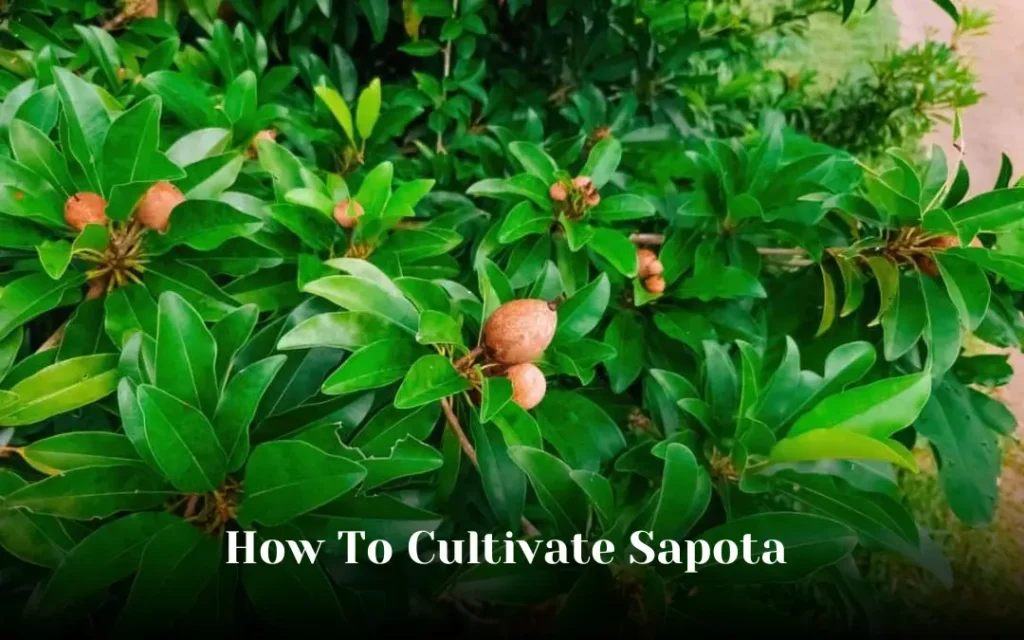
Cultivating sapota, commonly known as chikoo, involves a series of steps from choosing the right site to harvesting the fruits. This tropical fruit requires specific conditions for optimal growth. Cultivating sapota, this tropical treat, might sound daunting, but with the right know-how, it’s a rewarding journey. This guide equips you with everything you need to transform your backyard into a thriving sapota orchard.

From Seed to Fruit
Cultivating your own sapota tree can be a rewarding experience, offering years of delicious fruit and a touch of the tropics in your backyard. Sapota trees grown from seed take several years to mature and bear fruit. But fear not, the journey is part of the charm.
Setting the Land for Cultivation
Sun, soil, and space – these are the golden keys to your sapota cultivation. Seek a well-drained land with loamy or sandy soil basking in full sun. Remember, good drainage is vital, like a sieve for excess water that could harm your saplings. Choose a well-drained site with loamy or sandy soil and a pH level between 6.0 and 7.5. Planting at the start of the rainy season? Perfect! Space your saplings generously, around 10-12 meters apart, ensuring each tree has room to spread its branches and bask in the sunshine.
Planting
Sapota trees are typically propagated through vegetative methods like grafting or air layering, as these techniques ensure desirable fruit characteristics and quicker fruiting compared to growing from seeds (which can take 5-8 years). The ideal planting season is during the rainy season (June to December) when there’s consistent moisture. Dig pits around 1 meter x 1 meter x 1 meter and fill them with a mixture of topsoil, compost, and neem cake. Plant the grafted sapling at the center of the pit, ensuring the graft union is at least 15 cm above the ground level. Stake the sapling properly to provide support and prevent wind damage.
Give your saplings a nutritious boost by digging spacious pits and adding well-rotted compost or manure – think of it as a gourmet meal for your soon-to-be fruit star.
Watering and Fertilization
Regular watering is your mantra, especially during dry spells. Sapotas crave steady moisture for growth and fruit development. Drip irrigation? It’s a water-saving hero, ensuring your trees get just the right amount without drowning in a puddle.
Balanced fertilisers with a 10-10-10 ratio are your allies during the growing season. Repeat this magic potion in split doses for the first few years, then go easy on the nitrogen as your trees mature. Organic manure like a rich compost adds another layer of goodness to the soil.
Mulch and Pruning
Organic mulch, like a cozy blanket of straw or leaves, around the base of your trees is a friend indeed. It helps retain moisture, keeps weeds at bay, and regulates the soil temperature – a haven for happy roots. Proper pruning sculpts your trees for optimal growth and sunlight penetration. Think of it as opening the curtains for better air circulation and reducing the risk of pesky diseases. Remove dead or diseased branches regularly. Remember, gentle shaping during the dormant season is key.
Shielding Sapotas In Winter
Sapotas are sensitive to frost, and exposure can damage the plants. For frost-prone areas, consider planting near protective structures or trees. Sapotas are sensitive to frost, and exposure can damage the plants. Young saplings might appreciate a cozy wrap of frost cloth during chilly spells.
Pest and Disease control
Keep a watchful eye for aphids, mites, and scale insects, and remember: prevention is key!. Organic or chemical pesticides can be your allies, but use them responsibly and follow recommended guidelines. Proper drainage and avoiding waterlogging are your best weapons against root rot and collar rot. Think of it as building a fortress against these unwanted guests.
Flowering and Fruiting
The two main seasons of flowering are October- November and February-March and the two corresponding harvesting seasons are January-Februrary and May-June. Sapota takes 4 to 6 months from flowering to maturity of fruits. Sapota trees are typically self-pollinating, so you only need one tree for fruit production. Generally, Flowering can occur 2 times a year, and the fruit takes several months to mature. A ripe sapota fruit will give slightly to the touch and have a sweet, fragrant aroma.
Handling Your Harvest
4 to 6 months after flowering, your sapotas will be ready to grace your hand. Once your sapota tree starts bearing fruit, you can expect to enjoy the harvest throughout the year, with two main seasons:
- First Season: The first harvest typically occurs between January and February.
- Second Season: The second harvest often falls between May and June.
Look for firm but mature fruits – they’ll continue to ripen off the branch. Use pruning shears for a gentle harvest, taking care not to damage the tree. Handle sapotas with care to prevent bruising or damage. Store them in a cool, well-ventilated area. Sapotas can be stored for several weeks under proper conditions. Before starting sapota cultivation, research market demand and trends. Understand the preferences of consumers and explore potential buyers or markets for your product.
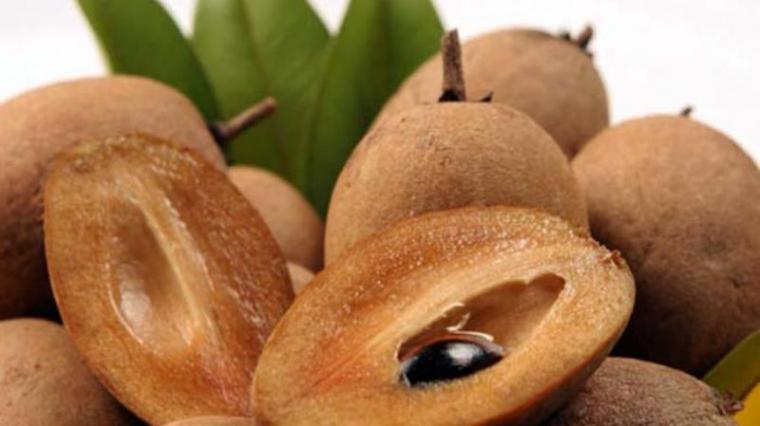
By following these steps, you can create a thriving sapota orchard that bursts with delicious rewards. Remember, careful planning, proper care, and a dash of passion are the secret ingredients to your sapota farming success. So, what are you waiting for? Grab your gardening gloves, unlock the sweet secrets of sapota cultivation, and embark on a journey of tropical delights.