
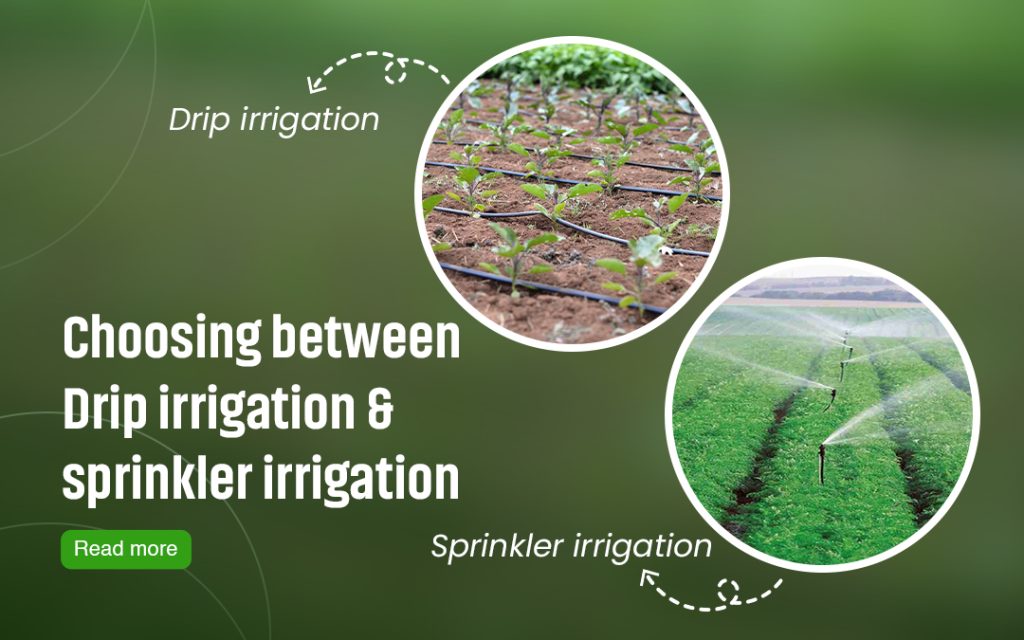
Selecting the ideal irrigation system hinges on your watering area’s size and your plants’ specific needs. Drip irrigation conserves water but demands more upkeep and isn’t suitable for extensive lawns; conversely, sprinklers, though prone to water loss, offer automated convenience and reach difficult spots.
Drip Irrigation vs. Sprinkler Irrigation
Drip irrigation is one of the most common localized irrigation systems. Sometimes also known as a trickle or micro-irrigation system, it consists of a network of pipelines and valves. The valves facilitate the dripping water directly to the plant root zone. This helps to reduce water loss through evaporation and leaking.
Watering your garden is essential, but choosing the right irrigation method can significantly impact water conservation, plant health, and your time. Two popular options are drip irrigation and sprinkler systems, each with its own set of pros and cons.
Drip Irrigation
The size of the valve, pipe diameter, and flow rate are determined after considering the water requirements at particular times. Then, following regular intervals or depending on the yard’s design, there are openings in the irrigation pipe that allow water to flow. This keeps the base of the plant damp and moisturized. And because only the root area is watered, weeds don’t get enough water to flourish. When used on farms, the soluble fertilizer, different chemicals such as pesticides, and cleaning agents are also supplied through this arrangement to the crop by dissolving in irrigated water. You can pre-estimate the amount of water and fertilizer to minimize waste.
- How it works: Delivers water slowly and directly to the plant roots through a network of pipes and emitters.
- Pros:
- Water Efficiency: Minimizes water waste by delivering water precisely where it’s needed, reducing evaporation and runoff.
- Plant Health: Promotes deeper root growth, reduces the risk of fungal diseases, and minimizes weed growth.
- Cost-Effective: Lower water bills due to reduced water usage.
- Cons:
- Higher Initial Cost: Can be more expensive to install than sprinkler systems.
- Maintenance: Requires regular maintenance to prevent clogs and potential damage.
- Less Suitable for Large Areas: Not ideal for large lawns or areas with high water demands.
In areas with water scarcity, drip irrigation is mainly used to prevent the spread of disease caused by contact with water. The irrigation pipe is usually surrounded by bare earth or stone pavers, so no plantings are crushed under the drip irrigation system. It is widely used in commercial agricultural systems such as greenhouses, containerized plants, coconut cultivation, and landscapes.
Sprinkler Irrigation
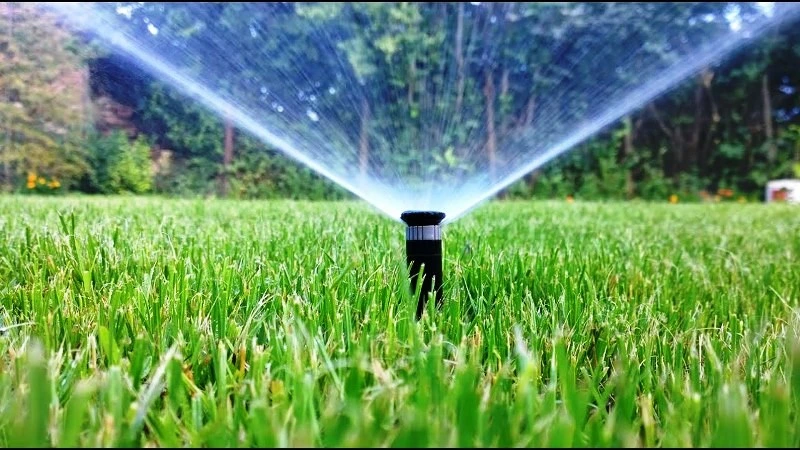
widely used as a localized method of dispensing water to plants and crops. So you can install the lawn sprinkler systems in Toronto to water your lawn and backyard grass and plants. Use it as a cooling system or to stave off airborne dust. It consists of pipelines, spray guns, and spray nozzles. The gun will rotate in a circular pattern by using the power of the spraying water.
As it is a localized irrigation method, the water loss is less than surface irrigation but higher than drip irrigation. However, spraying water all over the field may cause the spread of some plant diseases and increase the pest population. But you can automate the water flow as per your requirement to avoid excess water use and disease spread.
- How it works: Sprays water over a larger area, mimicking rainfall.
- Pros
- Cost-Effective Installation: Generally less expensive to install than drip irrigation.
- Suitable for Large Areas: Ideal for watering lawns and large garden beds.
- Convenience: Can be automated for easy and consistent watering.
- Cons
- Water Waste: More prone to water waste due to evaporation, runoff, and overwatering.
- Plant Disease: Can increase the risk of fungal diseases due to wet foliage.
- Weed Growth: Can encourage weed growth in areas that receive excess water.
Choosing the Right System for You
- Consider your budget: Drip irrigation has higher upfront costs but lower long-term water bills.
- Assess your water needs: Drip irrigation is ideal for water-conserving gardens and individual plants, while sprinklers are better suited for lawns and large areas.
- Evaluate your maintenance preferences: Drip irrigation requires more frequent maintenance, while sprinklers may need occasional adjustments.
- Consider your environmental impact: Drip irrigation is generally more environmentally friendly due to its water efficiency.
Ultimately, the best choice depends on your specific needs and preferences. If you prioritize water conservation and plant health, drip irrigation is a strong contender. If convenience and affordability are your top priorities, a sprinkler system may be a better fit. Government offers different schemes for irrigation and if you can’t afford it you can apply for them. By carefully considering these factors, you can select the irrigation system that will best meet your needs and help you create a thriving, healthy garden.