
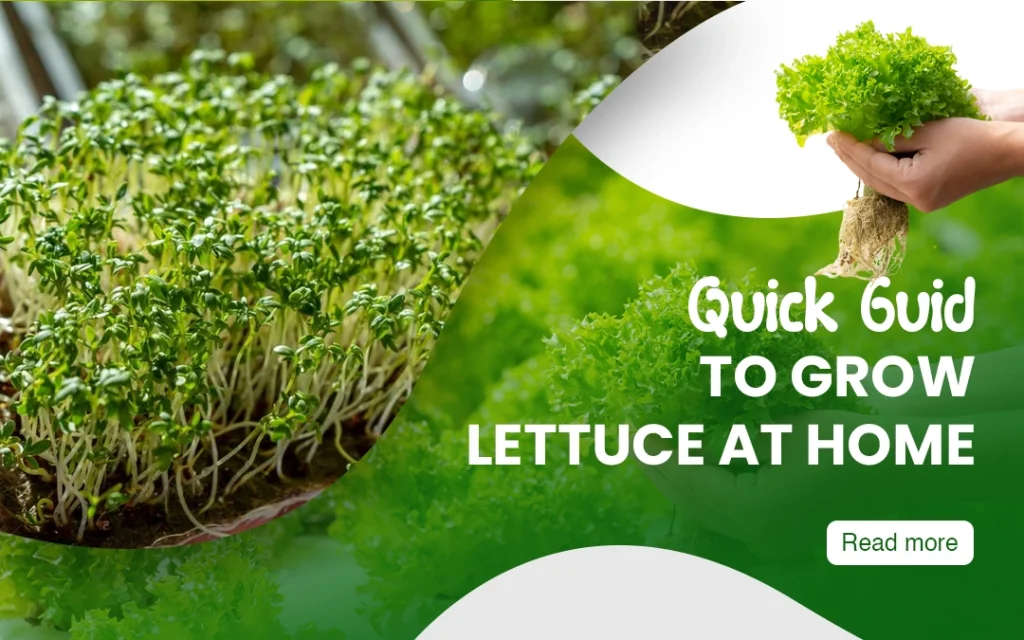
Tired of store-bought lettuce wilting before you can enjoy it? Want a constant supply of fresh, nutritious greens right from your windowsill? The secret is simple: microgreens!
While growing a full head of lettuce can take 45–60 days, you can harvest vibrant, flavor-packed lettuce microgreens in as little as 7 to 14 days. They’re packed with more nutrients than their mature counterparts and are incredibly easy to grow, even in the smallest apartment.
Here is your quick guide to a rapid, rewarding harvest!
Why Lettuce Microgreens?
Microgreens are the young seedlings of vegetables and herbs, harvested when they develop their first set of true leaves. Lettuce microgreens are a fantastic choice because:
- Super Quick: Ready in 1-2 weeks.
- Nutrient-Dense: Often contain higher levels of vitamins and antioxidants than mature plants.
- Intense Flavor: They offer a concentrated, crisp lettuce flavor perfect for garnishes or small salads.
- Minimal Space: They require very little depth or horizontal space.
Your 5-Step Rapid-Grow Guide
You’ll be amazed at how little effort this takes!
Step 1: Gather Your Simple Supplies
You don’t need fancy equipment, just a few basics:
- Shallow Tray: Any tray with drainage holes (or a plastic takeout container with holes poked in the bottom) that is 1–2 inches deep. You’ll need a similar tray without holes to use as a blackout dome later.
- Growing Medium: A seed-starting mix or standard potting soil works great. Avoid garden soil, which can compact and slow growth.
- Seeds: Choose a lettuce variety you like, such as Romaine, Butterhead, or a loose-leaf mix. Ensure they are untreated.
- Water Sprayer: A simple spray bottle is best for initial watering.
Step 2: Sow Thick and Cover
- Fill the Tray: Add about 1 inch of moist soil to your shallow tray and gently level the surface. Do not pack it down tightly.
- Sow the Seeds: Generously sprinkle the lettuce seeds over the entire soil surface. Unlike full-grown lettuce, you want them densely packed—they should almost be touching.
- Lightly Cover (Optional): You can optionally cover the seeds with a very thin layer of soil, or simply press them gently into the soil surface with a flat object like a block of wood or the bottom of another tray.
- Mist: Use your sprayer to thoroughly wet the surface without displacing the seeds.
Step 3: The Blackout Period (Crucial for a Good Stand)
This is the secret to strong, uniform growth!
- Cover the Tray: Place the second, empty tray (or a dark cloth) over your planted tray to block out all light. This is called the “blackout” period.
- Why? Denying light forces the seedlings to stretch, making their stems longer and stronger as they search for the sun. This results in a better, more harvestable microgreen crop.
- Duration: Leave them covered for 3–5 days. Check daily to ensure the soil remains moist (mist if needed). You’ll notice the tiny white roots (radicles) anchoring into the soil.
Step 4: Sun and Water (The Growing Phase)
Once the seedlings are about half an inch to an inch tall and have shed their seed hulls:
- Introduce Light: Remove the blackout cover and place the tray in a sunny south-facing window or under a grow light for 4–7 days.
- Water from Below: At this stage, it’s best to water the tray from the bottom. Place the planted tray inside a slightly larger tray filled with about an inch of water for 15 minutes. The soil will soak up the water from the drainage holes. This keeps the delicate leaves dry and helps prevent mold.
- Rotate: Rotate the tray daily to ensure even growth.
Step 5: Harvest (Day 7–14!)
The moment you’ve been waiting for!
- When to Harvest: Harvest when the microgreens have developed their first set of true leaves (the ones that look like tiny versions of the mature plant’s leaves, not the initial rounded “cotyledon” leaves).
- How to Harvest: Use a sharp pair of scissors or a knife to cut the stems just above the soil level.
- Enjoy: Rinse them gently and immediately add them to sandwiches, salads, or sprinkle them over soup or eggs for a fresh, crisp, nutrient boost!
Quick Tips for Success
| Tip | Description |
| Airflow | A gentle breeze (from a small fan or open window) helps prevent mold and strengthens the stems. |
| Mold Watch | If you see fuzzy mold, reduce humidity and increase airflow immediately. |
| One-Time Harvest | Microgreens are a one-time harvest. Once cut, the stem won’t regrow. Compost the soil and start a new batch! |
| Continuous Supply | Start a new tray every 3–5 days for a non-stop supply of fresh greens! |
Get started today and enjoy your first hyper-local, home-grown salad in less than two weeks!