
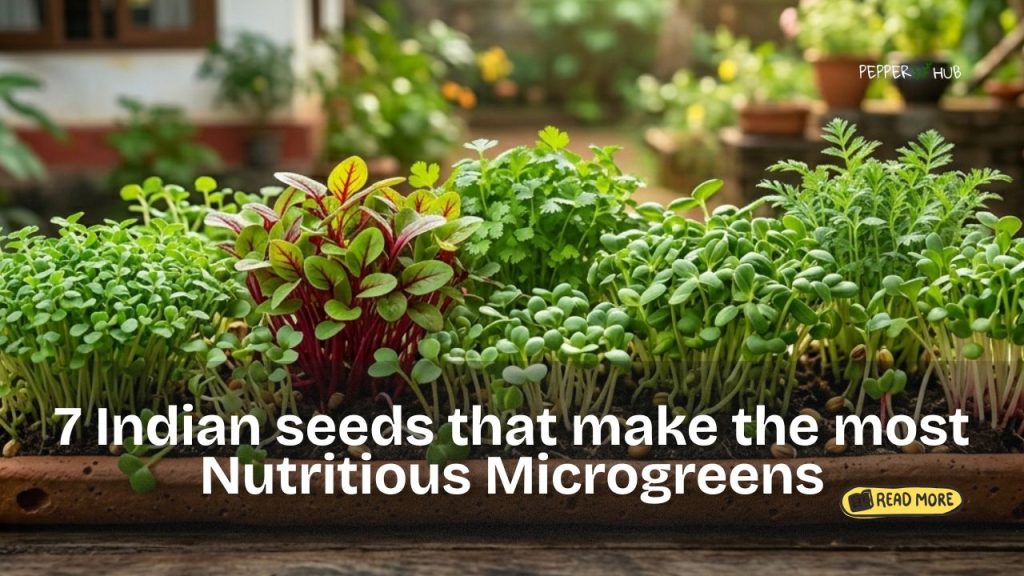
Growing your own food is a flex, but let’s be honest—most of us don’t have the space (or the patience) for a full kitchen garden. Enter micro greens: the fast-growing, nutrient-rich “super toddlers” of the plant world. In India, we’re blessed with a pantry full of seeds that are not just for tempering dal. These seeds can transform into vibrant, crunchy greens that pack up to 40× more nutrients than mature plants. Here are the seven best Indian seeds to grow for a powerful nutritional boost.
Top Picks
- Radish (Mooli):
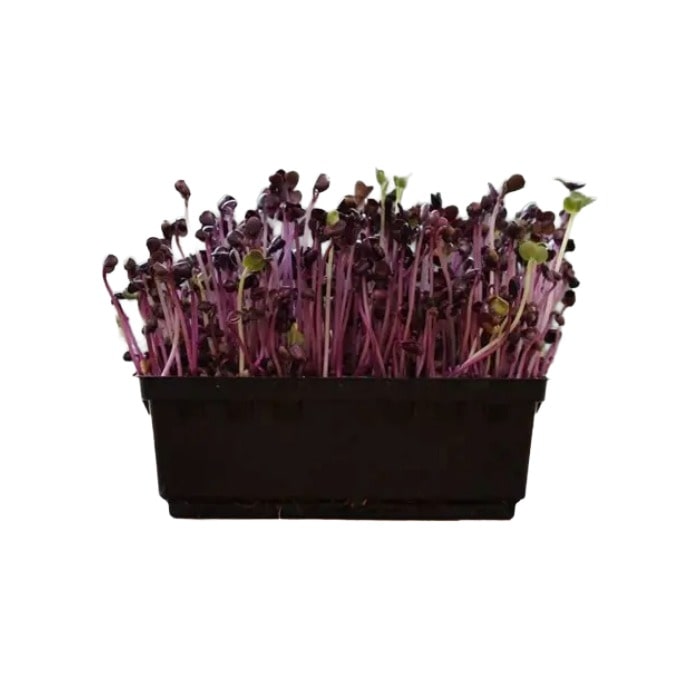
If you’re a beginner, radish is your best friend. It germinates in a heartbeat and offers a spicy, peppery kick that wakes up any sandwich or salad.
The Power: Radish microgreen are high in Vitamin B6,Magnesium, and Folate.
Health Win: They are fantastic for liver detoxification and help clear out respiratory congestion. Plus, they add a gorgeous pop of color (especially the purple varieties). - Fenugreek (Methi):
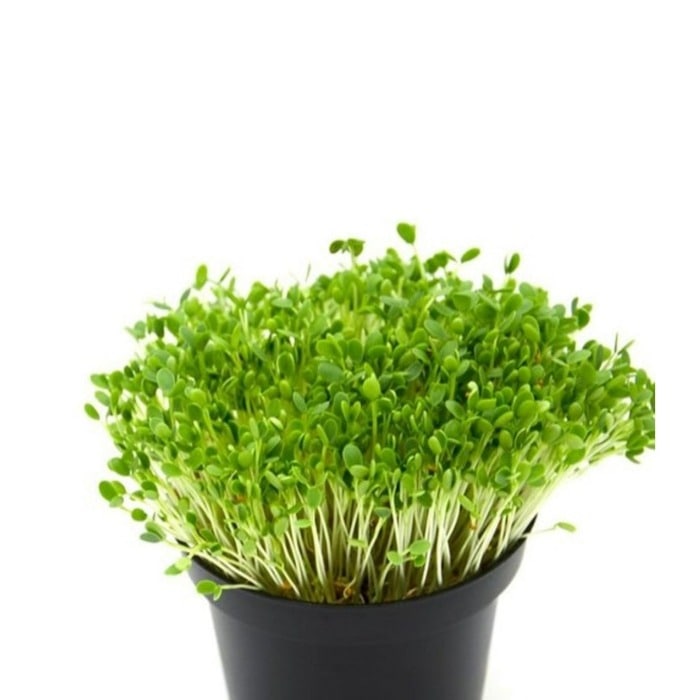
Methi is an Indian household staple, but as a microgreen, it loses that intense bitterness and replaces it with a nutty, herbal flavor.
The Power: These are absolute powerhouses of Iron and Vitamin C.
Health Win: Fenugreek microgreens are famous for regulating blood sugar levels and improving digestion. They’re a subtle way to sneak health into your morning poha or paratha. - Amaranth (Chaulai):
Amaranth is the supermodel of the microgreen world. Its striking fuschia and red hues make it the perfect garnish, but its beauty is more than skin-deep.
The Power: It is one of the few greens that provide a complete protein profile and is loaded with Vitamin K.
Health Win: Amaranth microgreens are excellent for bone health and boosting the immune system. They have a mild, earthy taste—similar to spinach but better. - Mustard (Sarson):
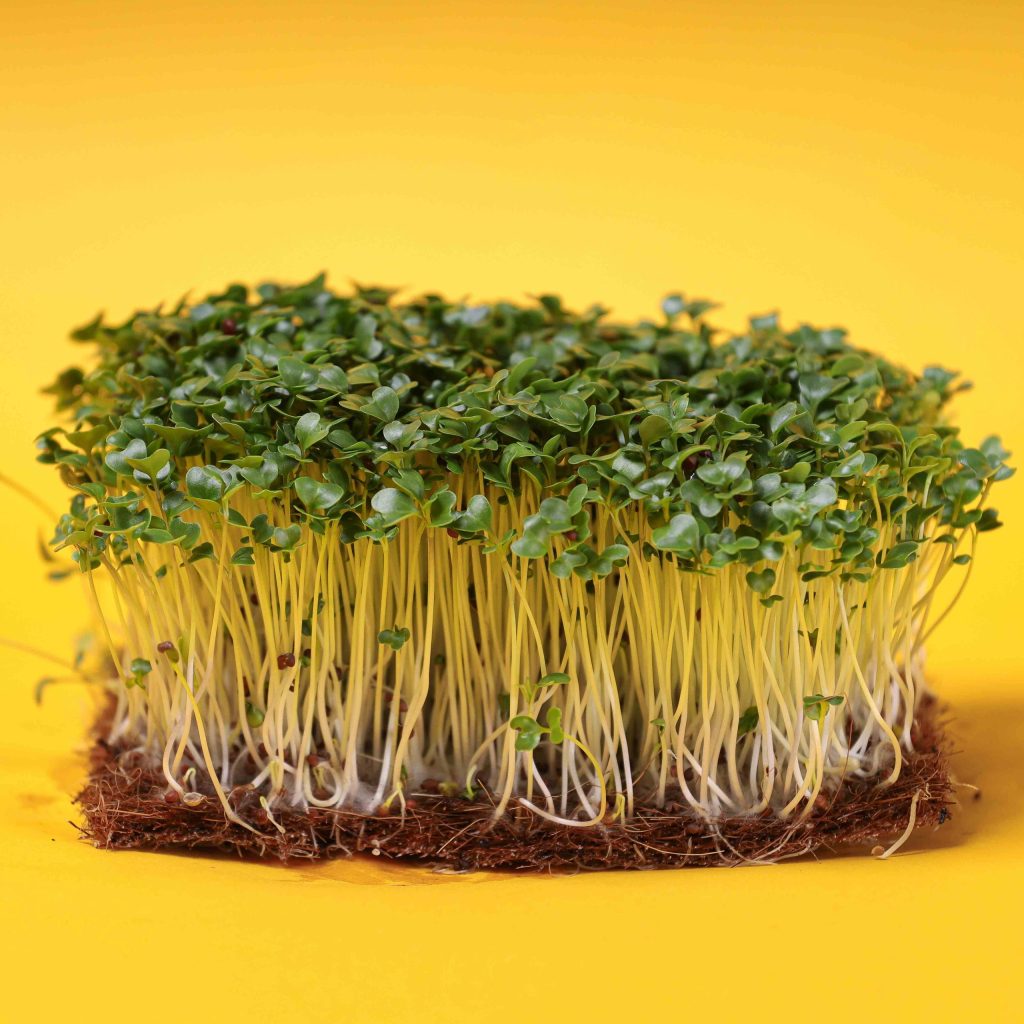
Mustard microgreens are the definition of “small but mighty.” They have a sharp, pungent flavor that mimics wasabi. They are rich in antioxidants and glucosinolates, which are known for their cancer-fighting properties. - Green Gram (Moong):
Usually sprouted, moong can also be grown into microgreens (with the first leaves showing). They are incredibly easy to digest and provide a clean, fresh crunch. They are particularly high in Zinc and Potassium. - Spinach (Palak):
While palak is a classic, the microgreen version is much more tender. It’s a dense source of Vitamin A, which is crucial for eye health and skin rejuvenation. It’s perfect for green smoothies because it blends effortlessly. - Wheatgrass (Gehu):
While technically a grass, wheatgrass is often grown alongside microgreens. It is essentially “liquid sunshine”packed with chlorophyll and over 90 minerals. Most people juice it for a concentrated morning wellness shot.
Quick Comparison Table
| Seed | Growth Days | Flavor Profile | Main Benefit |
|---|---|---|---|
| Radish | 5–7 days | Peppery & Spicy | Detox & Respiration |
| Fenugreek | 8–10 days | Nutty & Mild | Blood Sugar Control |
| Amaranth | 10–12 days | Earthy & Sweet | Bone Health & Protein |
| Mustard | 6–8 days | Pungent/Wasabi | Anti-inflammatory |
| Moong | 7–9 days | Refreshing/Sweet | Heart Health |
Pro-Tips for the Indian Home Gardener
Use Kitchen Seeds: You don’t always need “special” packets. The mustard and fenugreek seeds in your masala dabba will grow perfectly fine!
Don’t Overwater: India’s humidity can lead to mold. Use a spray bottle to mist them rather than pouring water directly.
Sunlight Matters: A windowsill that gets 4–5 hours of indirect light is the sweet spot.
Adding a handful of these tiny greens to your daily diet is like taking a multi-vitamin, but it tastes a whole lot better. Which one are you planting first?
This blog was… how do you say it? Relevant!!
Finally I’ve found something which helped me. Thanks a lot!
I am truly thankful to the owner of this web site who has shared this great piece of writing at here.