
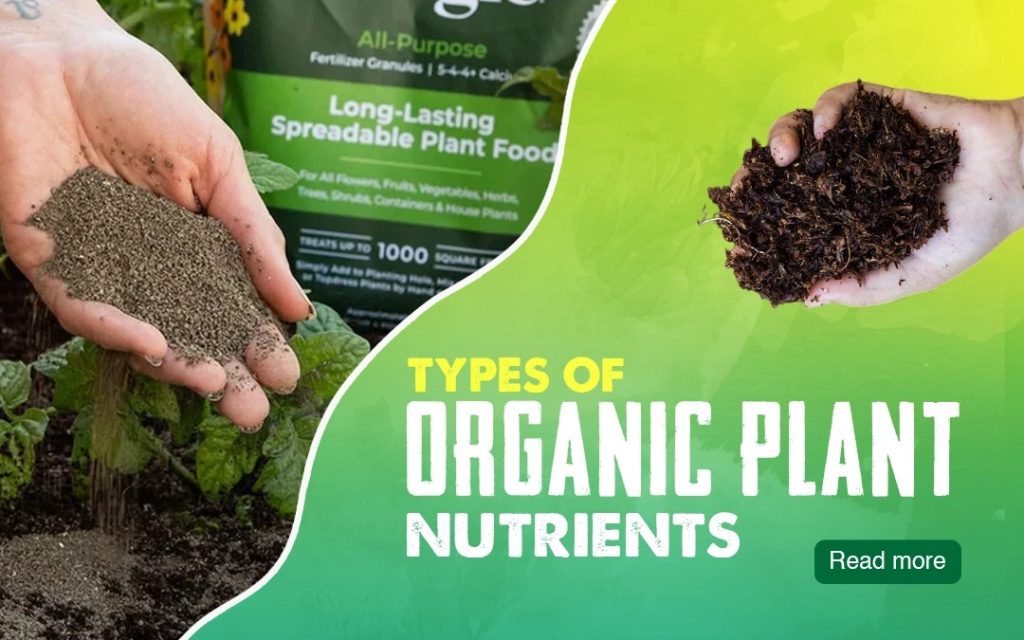
In the world of organic gardening, feeding your plants isn’t just about dumping fertilizer—it’s about nurturing the soil’s ecosystem. Organic nutrients are derived from natural sources, relying on microbial activity to slowly release their goodness into a form plants can absorb.
But not all nutrients are created equal. They are classified based on the quantity a plant needs and their primary function. Understanding these types is the key to creating a balanced, thriving garden!
All plants require 17 essential elements for life, growth, and reproduction. We classify them into two main groups based on the quantity required.
- Macronutrients (Needed in Large Amounts)
- Micronutrients (Needed in Trace Amounts)
Understanding Macronutrients, Micronutrients, and the NPK rating is essential for creating a balanced feeding strategy in your organic garden.
Plant Nutrition Basics: Macro vs. Micro
Plants require 17 essential elements for optimal health. These are divided based on the quantity the plant needs.
1. Macronutrients (Required in Large Amounts)
These are the primary building blocks for plant structure and metabolism.
- Primary Macronutrients (NPK): Nitrogen, Phosphorus, and Potassium (discussed below).
- Secondary Macronutrients:
- Calcium (Ca): Essential for cell wall structure and root growth.
- Magnesium (Mg): The central component of the chlorophyll molecule (vital for photosynthesis).
- Sulfur (S): Necessary for the formation of proteins and enzymes.
2. Micronutrients (Required in Trace Amounts)
Also known as trace elements, these are used in very small quantities but are crucial for regulating metabolic processes and enzyme functions.
- Examples: Iron (Fe), Manganese (Mn), Zinc (Zn), Copper (Cu), Boron (B), Molybdenum (Mo), and Chlorine (Cl).
- Organic Source Benefit: Healthy compost, aged manures, and seaweed/kelp products provide a broad spectrum of these trace minerals, ensuring all essential processes are supported.
The Soil Builders (The Slow Release)
These materials improve soil structure and gradually release nutrients over time as they decompose.
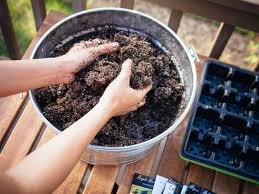
· Compost: The gold standard of organic amendments. It is a complete, well-balanced source of Macro- and Micronutrients, and it massively improves soil structure and water retention.
· Aged Manure: Excellent source of Nitrogen and organic matter, though nutrient content varies widely. Always use aged or composted manure to prevent burning plants.
· Compost Tea/Manure Tea: A liquid concentrate made by soaking compost or manure, providing a quick boost of soluble nutrients and beneficial microbes.
NPK: The Essential Trio Fertilizers
NPK is the standard used globally to label the three primary macronutrients, which are the most critical for overall plant growth.11
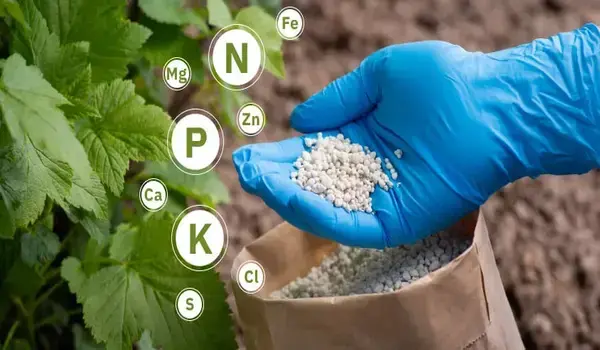
| Letter | Nutrient | Full Name | Role in the Plant | Organic Source Examples |
| N | Nitrogen | The first number in the ratio. | Promotes lush, dense leafy (vegetative) growth and vibrant green color. | Blood Meal, Fish Emulsion, Manures |
| P | Phosphorus | The second number in the ratio. | Vital for strong root development, early growth, and flowering/fruiting. | Bone Meal, Rock Phosphate |
| K | Kalium (Potassium) | The third number in the ratio. | Enhances overall plant health, disease resistance, water regulation, and fruit quality/size. | Kelp Meal, Wood Ash, Greensand |
Animal-Based Fertilizers
1. Bone Meal
Bone meal is made from crushed animal bones. It’s rich in phosphorus and calcium and supplies some nitrogen. It can promote plant seedling growth, help flowers grow, and increase yield.
2. Blood meal
A blood meal is a dried form of animal blood. It can increase the nitrogen content in the soil and makes the plants denser. Release nitrogen quickly promotes flowering and acts as a natural pest repellent.
But usage and application should be made sparingly, as over-application can contribute to the burning of the plant root.
3. Animal Manure
It can come from a variety of animals. For example, cow manure can control weeds and increases the moisture-holding capacity of the soil and increases air penetration in the soil.
Seabird guano is an organic fertilizer for lawns. It can act as a natural fungicide and control nematodes in the soil.
4. Fish meal
Fish meal is a fast-release fertilizer that is a rich source of organic nitrogen, phosphorus, and calcium. It can improve soil health, increase fertility, and make plants thrive. (Fish Fertilizer)
5. Fish Emulsion
This blend of finely ground, decomposed fish delivers a big dose of nitrogen. Acts as a soil conditioner. But be careful. Fish Emulsion is highly acidic, and overuse can burn plants.
6. Shellfish
Shellfish are made from the broken shells or bones of shellfish and crabs.
Shellfish organic fertilizers are rich in calcium and also contain significant amounts of phosphorus and other trace minerals.
That means it can help spur flowering and robust root growth. Also, it has chitin, which inhibits the growth of some pests. (Chitosan Products)
Plant-Based Fertilizers
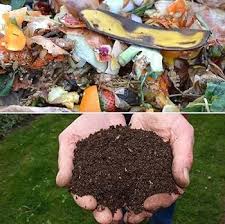
1. Compost
Compost is rich in nutrients and can be used as an excellent soil improver to promote organic matter and soil fertility.
It provides rich growth nutrition for plants, which can retain water in the soil for a long time.
2. Cottonseed Meal
Cottonseed Meal is a rich source of nitrogen and a small amount of phosphorus and potassium. It can be an excellent organic fertilizer grass.
It is mainly used to cover the garden soil to regulate the soil environment.
3. Alfalfa and Soybean meal
It contains nitrogen, phosphorus, and neutral pH.
Soybean meal is a functional additive for longer-lasting results during soil maintenance.
4. Seaweed
Seaweed is an immediate-release fertilizer and an excellent source of zinc and iron. It goes well with the high-potash crop. (Seaweed Fertilizer)
Mineral Fertilizers
1. Greensand
Greensand is an olive-green sandstone containing glauconite. It is a rich source of iron, potassium, and magnesium.
It aids in the stimulation of flowering and fruition in fruit trees. And loosen the soil, increase the water content in the soil to improve the rhizosphere.
2. Rock Phosphate
Phosphate is extracted from mineral rocks and clay.
It has over 30% phosphate, together with high concentrations of trace micronutrients. It can be used to increase soil acidity and promote plant seedling growth.