
Corn, or maíz, isn’t just a crop in Nicaragua—it’s the soul of the kitchen, the foundation of the diet, and a pillar of the national identity. For centuries, since the days of pre-Columbian trade, this golden grain has been woven into the fabric of life, far surpassing its role as a simple commodity. To truly understand Nicaragua’s heartbeat, one must understand the story of its corn.
Cultural Significance of Corn
Walk through any market in Managua or a small village, and you’ll find corn in almost every form imaginable. It is the core ingredient in the national dish, Gallo Pinto (rice and beans mixed together), and the base for the indispensable, thin white Nicaraguan corn tortilla.
But the use of maíz extends far beyond dinner plates. It is crucial for traditional beverages like Chicha and Pinolillo, a gritty, spiced powder mixed with water or milk. It’s also at the center of celebratory meals like the Nacatamal, a large, savory tamale wrapped in plantain leaves and served during special occasions like weddings and Christmas. This deep connection means that when we talk about Nicaragua corn cultivation, we are talking about safeguarding a cultural legacy .On an economic scale, corn is incredibly important. In terms of sheer area, it is the most significant crop cultivated in the entire country. However, most maize farming in Nicaragua is not geared toward global export; rather, it’s primarily a subsistence crop grown by small farmers to feed their families and communities.
This focus on domestic consumption means that the production volume, while substantial (hundreds of thousands of tons annually), is a measure of food security rather than international trade strength. Agriculture, including maize, employs a significant portion of the workforce, making the success of the harvest a direct indicator of rural well-being.
Challenges Facing Small Farmers in Nicaragua
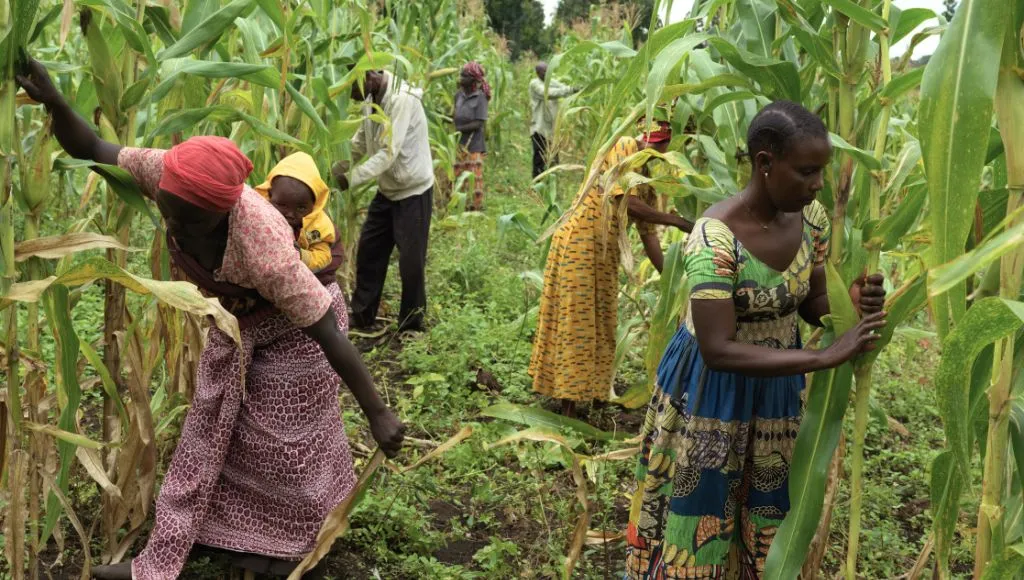
Despite its cultural importance, small farmers in Nicaragua who rely on corn face immense pressure. The agricultural sector is highly sensitive to external factors, and these challenges make life on the farm incredibly difficult:
- Climate Change and Drought: Nicaragua sits in the path of unpredictable weather patterns. The central region, often referred to as the “Dry Corridor,” experiences erratic rainfall and recurring periods of drought (canícula), which severely impact corn yields. Climate variations, including both major rainfall fluctuations and short dry spells, are the single biggest threat to Nicaraguan agriculture.
- Market Vulnerability: While many farmers consume their own corn, they are still exposed to market fluctuations for inputs like fertilizer, labor, and seed. When poor yields force them to buy corn instead of sell it, low incomes can quickly push families below the poverty line.
- Lack of Modernization: Unlike many of its neighbors, Nicaragua has been reluctant to introduce Genetically Modified (GM) corn varieties, largely due to the cultural and historical significance of preserving the genetic base of domestic maize. While this protects cultural integrity, it limits access to high-yield, drought-resistant crops that could offset the environmental challenges.
A Sustainable Future for Maíz
The future of corn cultivation in Nicaragua relies on supporting the smallholder producers who are the backbone of the system. Efforts to improve food security focus on integrated strategies: diversifying crops to spread risk, improving irrigation and water management, and expanding access to credit and fair markets.
Ultimately, the story of maíz in Nicaragua is a powerful blend of tradition and resilience. It is a story of a people determined to protect their heritage while navigating the profound and urgent realities of a changing world.