

Slow wilt, also known as slow decline, is a debilitating disease in black pepper plants characterized by a gradual loss of vigor and productivity, leading to eventual death of the vine. It’s primarily caused by fungal pathogens like Fusarium oxysporum and Sclerotium rolfsii, often in association with plant-parasitic nematodes.
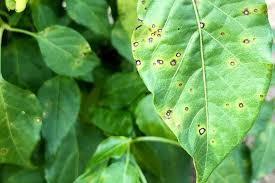
Disease symptoms
- Foliar yellowing, defoliation and die-back are the aerial symptoms of this disease. The affected vines exhibit varying degrees of root degeneration due to infestation by plant parasitic nematodes.
- The diseased vines exhibit foliar yellowing from October onwards coinciding with depletion of soil moisture.
- With the onset of south west monsoon during May/June, some of the affected vines recover and put forth fresh foliage.
- The symptoms reappear in subsequent seasons after the cessation of the monsoon and the diseased vines gradually lose their vigour and productivity.
- The affected vines show varying degrees of feeder root loss and the expression of symptoms on the aerial parts occur after a considerable portion of the feeder roots are lost.
- The root system of diseased vines show varying degrees of necrosis and presence of root galls due to infestation by plant parasitic nematodes such as Radopholus similis and Meloidogyne incognita leading to rotting of feeder roots. The damage to feeder roots is caused by these nematodes and P. capsici either independently or together in combination.
Survival and spread
- Fungus survives in disease plant debris.
- Cysts and egg masses in infected plant debris and soil or collateral and other hosts like Solonaceous, Malvaceous and Leguminaceous plants act as sources of inoculums.
- Autonomous second stage juveniles that may also be water dispersed.
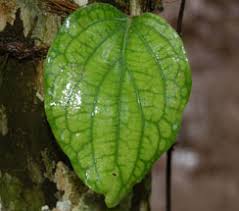
Favourable conditions
- Rainy seasons and loamy light soils favours the development of disease.
Management:
- Remove and destroy affected vines:
To prevent further spread, remove and destroy heavily diseased vines, including the root system.
- Soil management:
Improve soil drainage, which can help reduce the severity of root rot caused by nematodes and fungal pathogens.
- Use resistant varieties:
Select black pepper varieties that exhibit some tolerance to the disease.
- Integrated approach:
Employ a combination of methods, including crop rotation, soil health improvement, and the use of biocontrol agents, to manage the disease effectively.
- Chemical control:
In severe cases, chemical control measures might be necessary, but they should be used judiciously and as part of an integrated strategy.
Thank you! I cannot clear roots or change soil, can I use a spray or anything?