

Grape farming holds a significant place in Indian agriculture, as it is one of the most profitable horticultural crops. Do you know all you need to know about grape farming in India? These are given below:
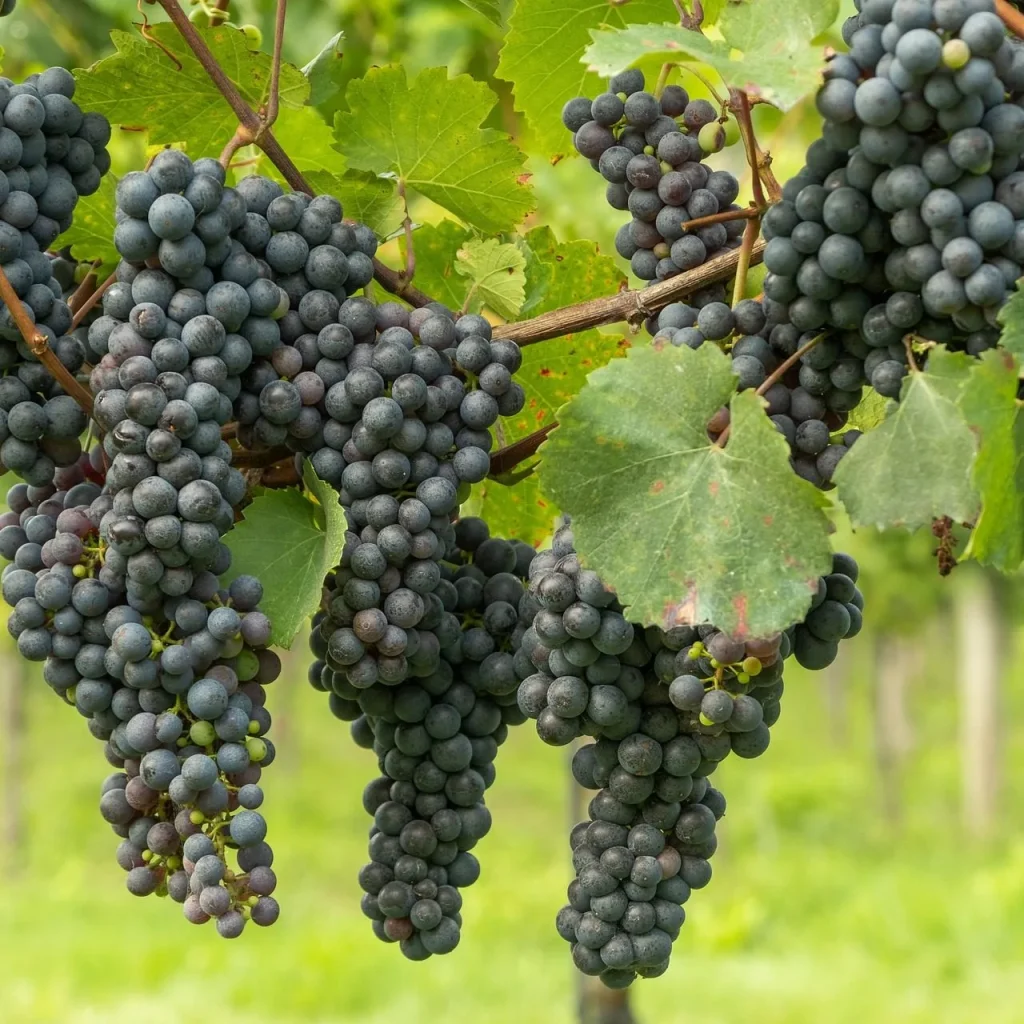
Planting
The best time to plant grapes in India varies by region: February to March in North India, November to January in Peninsular India, and December to January in Karnataka and Tamil Nadu.
Soil
Sandy, clayey, and loamy soil with good drainage and irrigation facilities is suitable for the cultivation of grapes. Soils having pH values from 6.5 to 7.5 are most suitable. In its natural habitat, the crop bears fruit during the hot and dry period and undergoes dormancy during the period of severe cold.
Climate
It grows best in hot and dry climates, with an average temperature of 15–40°C and 50–60 cm of rainfall. Grapes are thrived to freezing temperatures, and frost can damage young buds.
Nutrients
The grapes need nitrogen, phosphorus, potassium, calcium, magnesium, sulfur, iron, manganese, zinc, copper, and boron.
Irrigation
Drip irrigation is fully recommended to effectively fulfill the water essential of the crop.
Weeds and disease management
Use weedicides and pesticides to protect your crop from diseases and weeds.
Varieties
India cultivates more than 20 varieties of grapes, but only a dozen are commercially grown. popular varieties include Thompson Seedless, Perlette, Pusa Seedless, Sharad Seedless, Bangalore Blue, and Gulabi (Muscat).
Propagation
The common method for propagating grapevines is hardwood cutting; other methods, such as seed-based softwood cuttings, layering, grafting, and budding, are also used.
Read more about agriculture-related blogs